
How to Take Supplements the Right Way
Taking supplements correctly depends on timing, food pairings, and how vitamins and minerals interact. Here is when to take iron, magnesium, zinc, omega-3, vitamin D, and more.
| Ana Tsikhelashvili |
“There was a moment in my career years ago when everything slowed down. One job after another was canceled, and I thought, ‘Wow, maybe this is just how things are going to be now.’ One of my agents told me not to worry – that it would come back in November, that I was more of a Winter Girl.”
That sentence stayed with Małgosia Bela for years, eventually becoming the title of her book, Winter Girl, presented during her second visit to Georgia for Mercedes-Benz Fashion Week Tbilisi.
Polish-born Bela became one of fashion’s defining faces in the early 1990s, making her Paris Fashion Week debut in 1998 for Comme des Garçons, Givenchy and Balenciaga. Since then, she has appeared on the covers of numerous international publications including Numéro, Dazed and French, German, Spanish, Italian, Australian and British editions of Vogue.
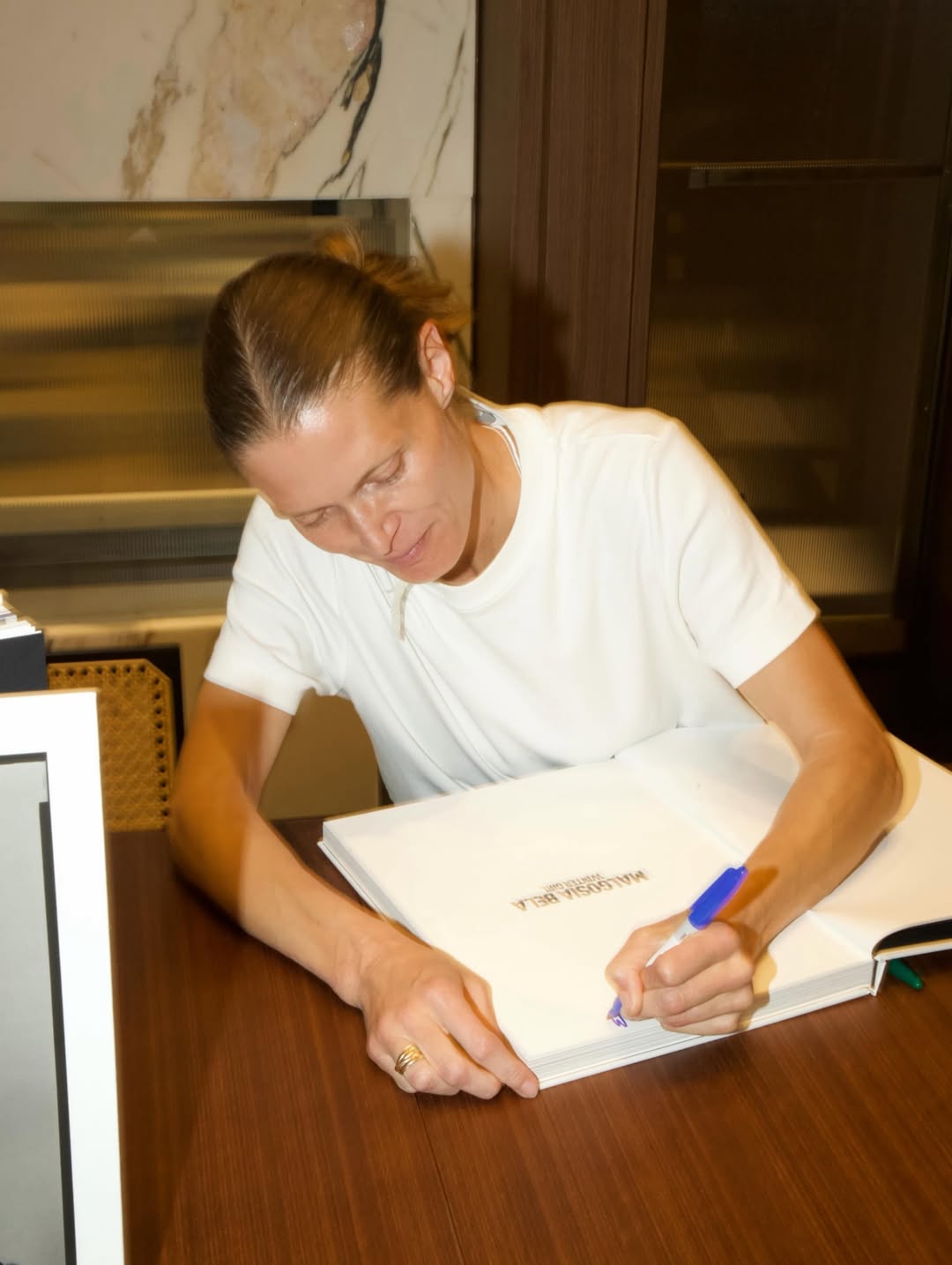
With her angular face, athletic frame and affinity for long coats, heavy knits and sculptural silhouettes, Bela naturally became associated with the atmosphere of winter fashion. Yet Winter Girl moves beyond fashion imagery. The book is composed of short stories and visual fragments that reflect on memory, beauty and the creative process itself.
Though Winter Girl feels deeply personal and diaristic, Bela never actually kept a diary. Instead, the book emerged through photographs, conversations and memories shared with her longtime friend and publisher, Filip Niedenthal.
Malgosia: When I took out all my archives, the visuals became the trigger. I had this very close friend, Filip, who is also my publisher, and he’s full of trivia. He always remembered my stories, anecdotes, exactly what I wore in every show – he’s like someone polluting his brain with unnecessary information. But when we opened the archives, everything came back. Filip would say, “Oh, I remember this,” or “It was that big summer.” The trigger was visual, you know? Obviously, memories become edited in your brain over time, but I’m not traumatized.
I worked through it, I survived, and I’m grateful. I’m super grateful because I’ve had a very lucky run.
Rather than following a strict chronology, the book unfolds through photographs that function almost like emotional fragments – extensions of the essays and memories they accompany. Captured by some of fashion’s most celebrated photographers, the images reflect Bela’s admiration for the collaborative process behind image-making and stand as a tribute to artists themselves.
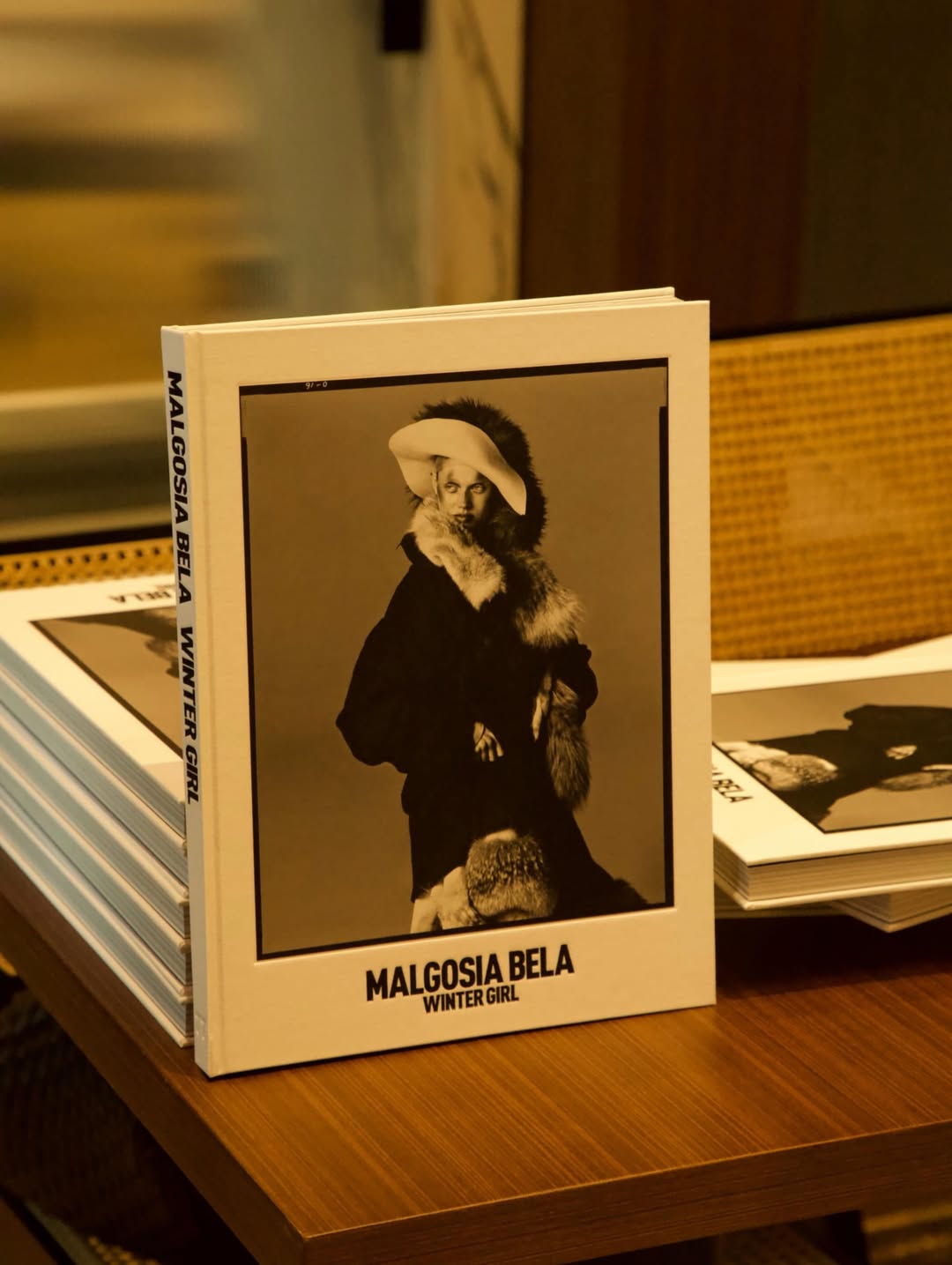
Originally, the book was meant to include 100 photographs, but just before it went to print, Bela and her team realized they did not have permission to use one of the images. Suddenly, they were left with 99. Instead of replacing it conventionally, they came up with a more personal solution: the final image became a photograph of Malgosia taken by her son – a quiet, intimate addition that ultimately made the book feel even more complete.
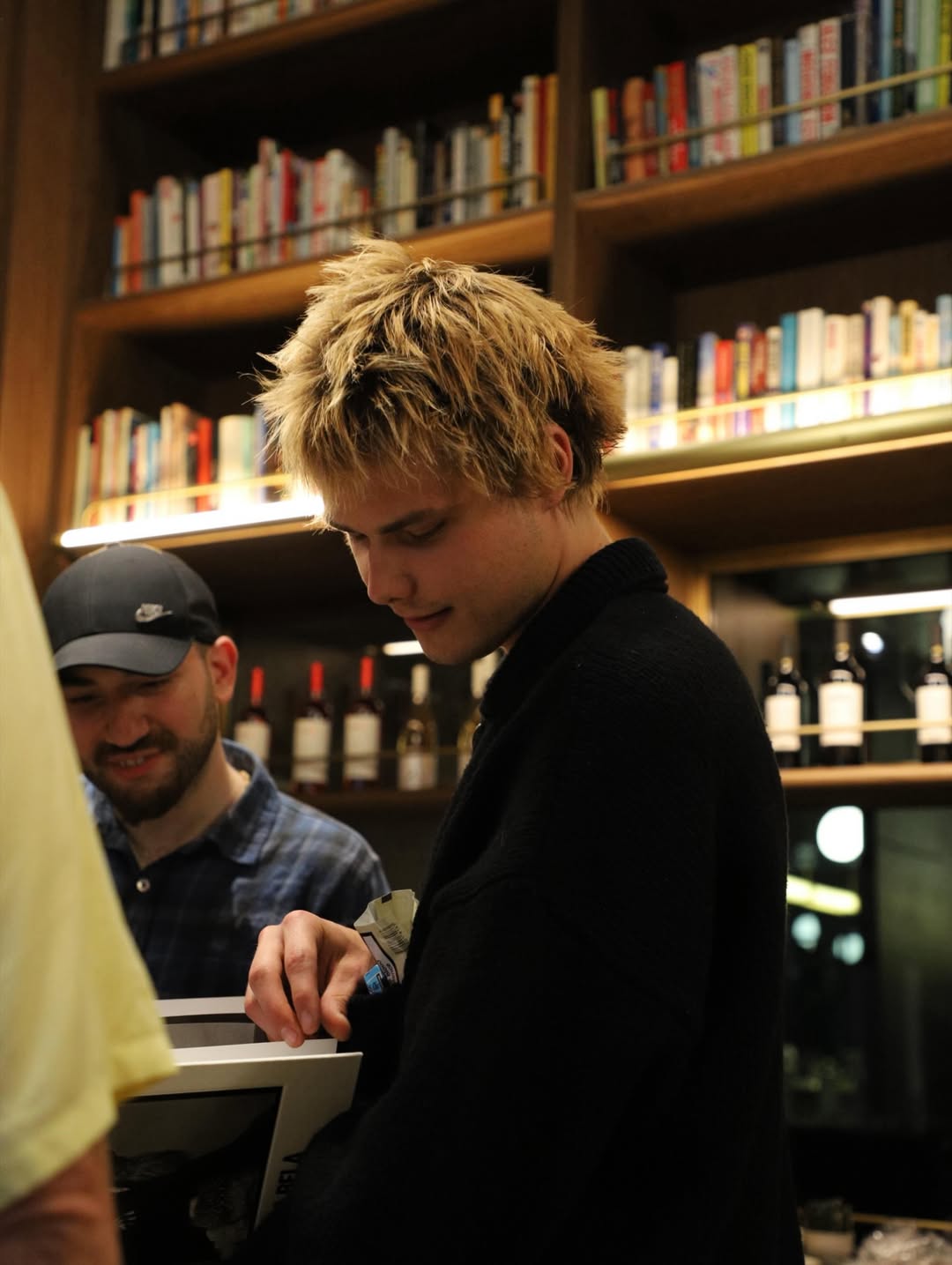
Coming from Poland, Bela often speaks openly about the post-Soviet experience and the ways political systems continue shaping generations long after they collapse – a feeling that resonates deeply in Georgia, too.
TheDiary: You often talk about the soviet past of Poland and call yourself a product of the Soviet Union.
Malgosia: Yes, because I am.
TheDiary: I was wondering, when was the first time you felt free?
Malgosia: You know, when the system collapsed in 1989, I was 12, but I didn't really understand what it meant. I didn’t have a super oppressive communist childhood – I had a carefree childhood, just without a lot of money. But I think I first felt free when I went to New York in 1998. I left on my 21st birthday, and I realized how little I knew about the world. For somebody who was 21, I was intelligent and studying, but I was really backwards when it came to cultural differences.
Malgosia’s visit also coincided with conversations surrounding the Georgian premiere of The Devil Wears Prada sequel. When we asked her whether she had watched it, she rolled her eyes and laughed before simply saying no – and, honestly, fair enough. But rather than discussing the film itself, we wanted to talk about its central theme: the struggle of print publications in the digital era. Bela herself is the creative director of Vogue Poland.
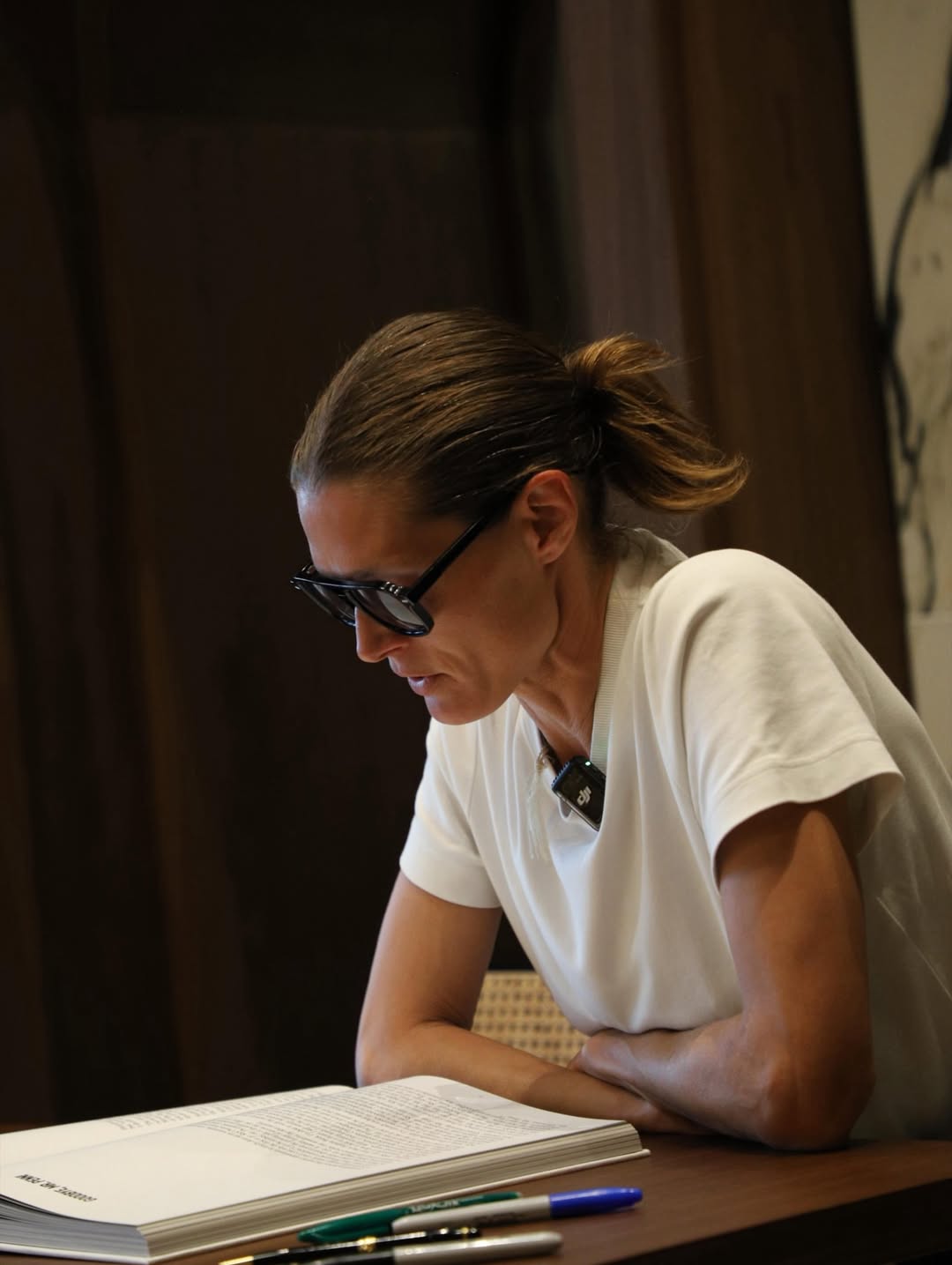
TheDiary: What is the future of print media? Does it still have a future?
Malgosia: Probably not. But then, like analog photography, it becomes something more niche, more rare, and therefore more desired. That’s how it works. It’s going to become more expensive and rarer.
Bela describes Winter Girl as a tribute to beauty and “a way of saying thank you.” The stories are intentionally short – pieces that can be read casually, “with a coffee” – yet together they form a portrait not only of an era in fashion, but of the woman who lived through it.
Taking supplements correctly depends on timing, food pairings, and how vitamins and minerals interact. Here is when to take iron, magnesium, zinc, omega-3, vitamin D, and more.
Ferrari has unveiled the Ferrari Luce, its first fully electric car. Designed with LoveFrom, the model marks a new chapter for Maranello and the future of electric luxury.
A camera, perfume, oversized sunglasses, a hat and thermal spray are the summer essentials to keep in your bag during the hot season.

