
How to Take Supplements the Right Way
Taking supplements correctly depends on timing, food pairings, and how vitamins and minerals interact. Here is when to take iron, magnesium, zinc, omega-3, vitamin D, and more.
New York has always been a city of crossings. Uptown and downtown, museum and street, private memory and public spectacle. For Louis Vuitton Cruise 2027, Nicolas Ghesquière returned to the city through these contrasts, staging the collection at the Frick Collection and tracing a line from his first visit in 1989 to the visual language of Keith Haring.
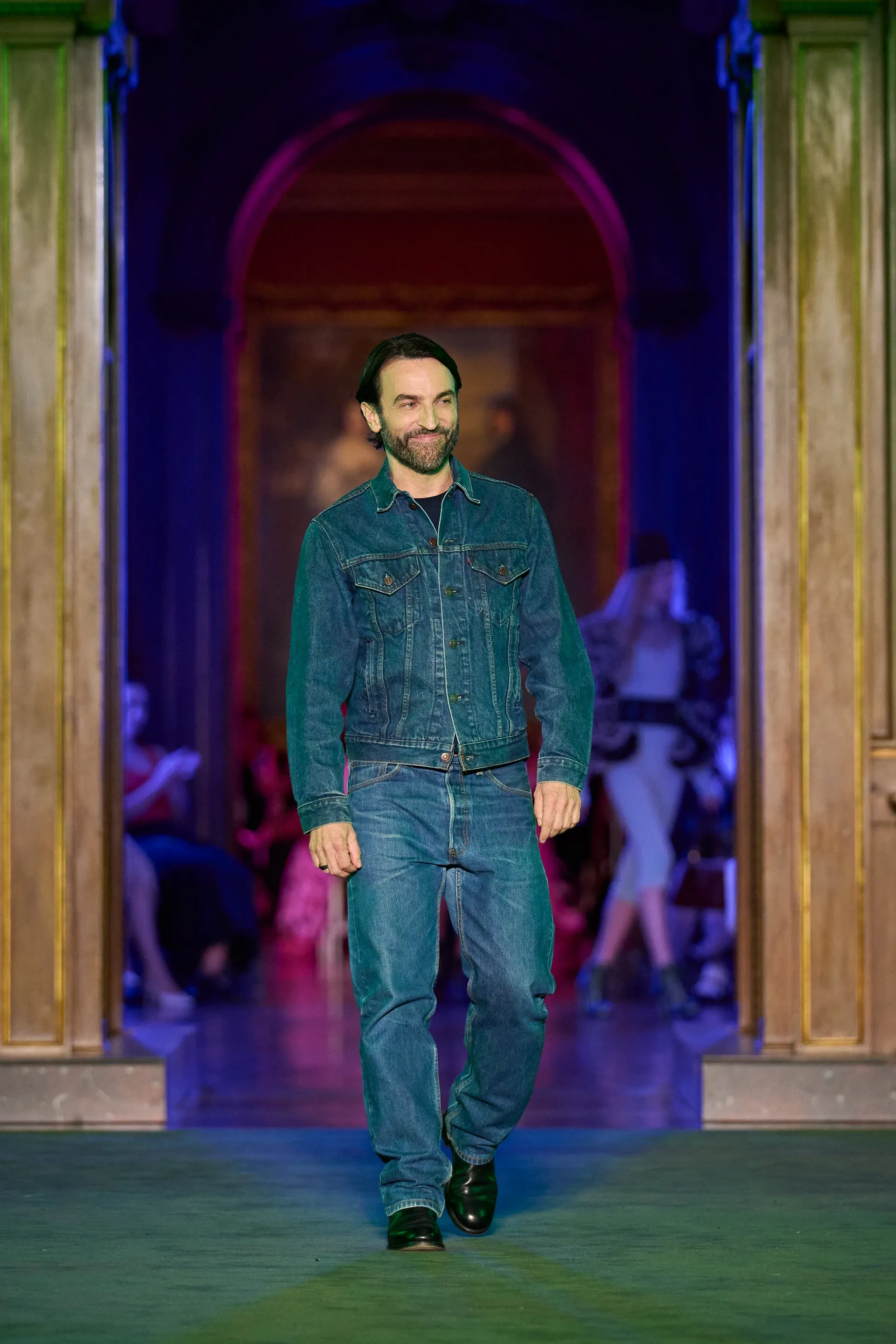
Ghesquière was 18 when he first travelled to New York. At the time, he was working as an assistant at Jean Paul Gaultier. Ahead of the show, he recalled the details that stayed with him: the Lafayette Street loft where he lived, a late dinner at Florent, and a party at artist Francesco Clemente’s home, where Helmut Newton and Iman were among the guests. For the designer, that first encounter with the city became more than a memory. It became the starting point for a collection built around movement between worlds.
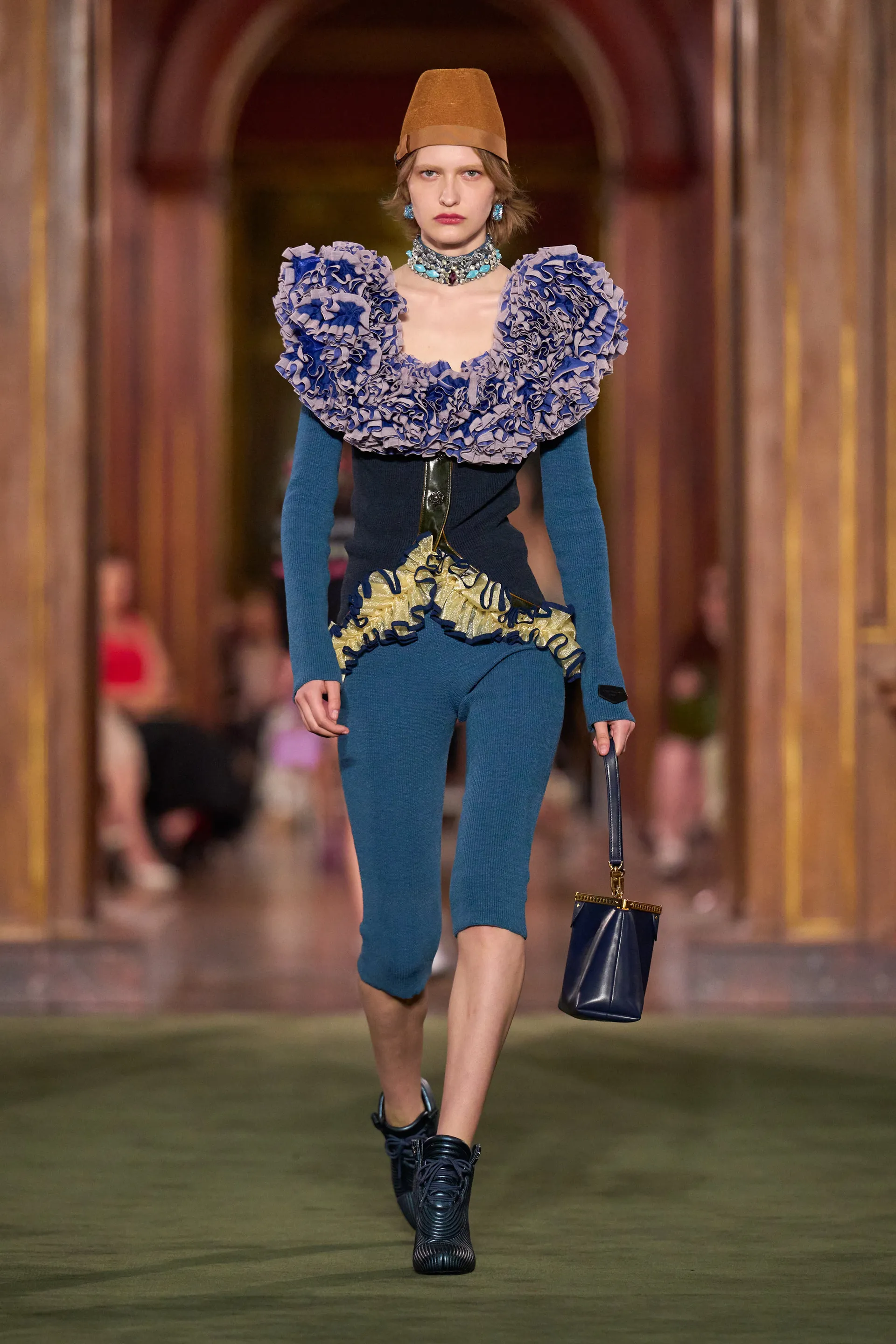 |
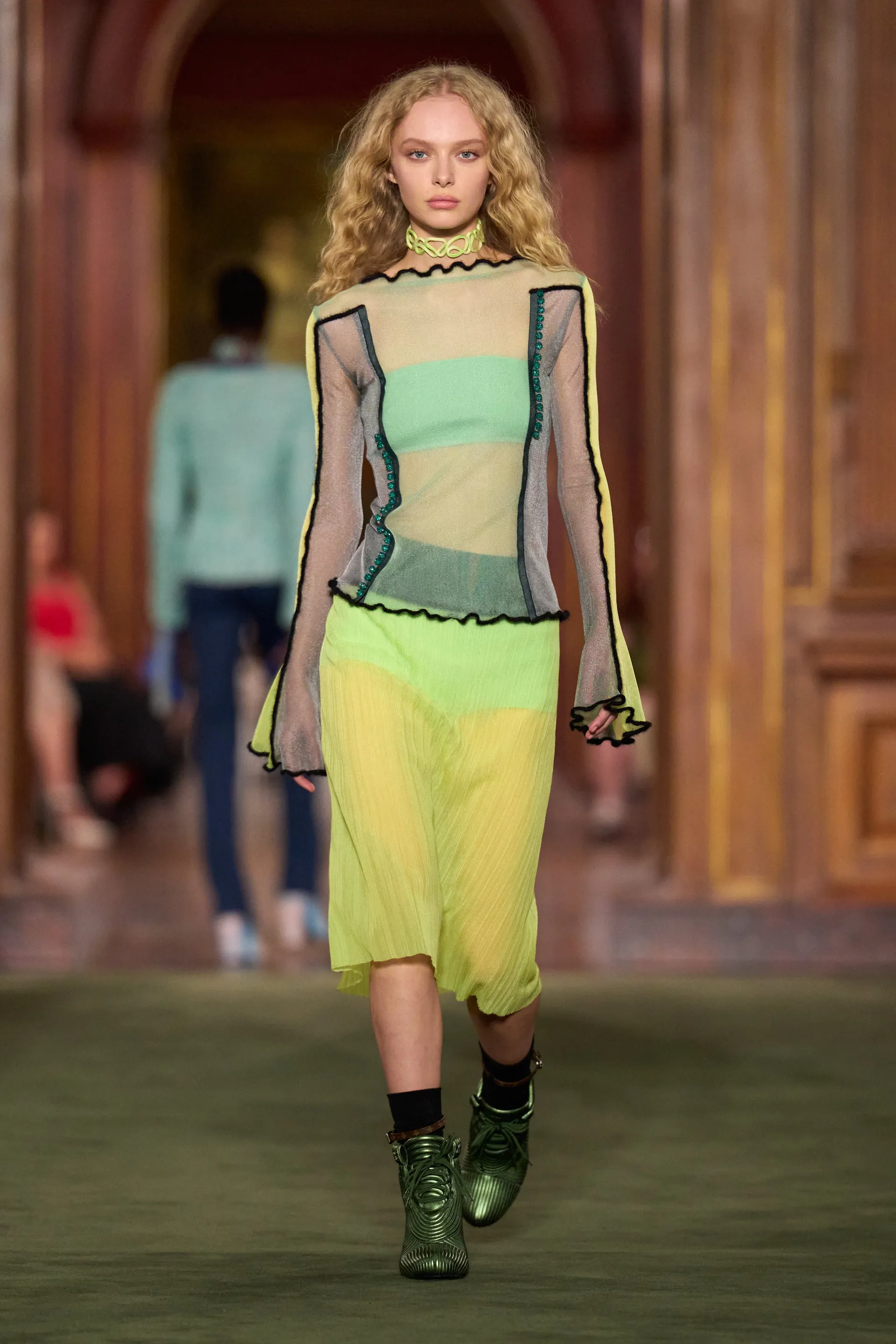 |
For Louis Vuitton, this was Ghesquière’s second Cruise show in New York. His first came in 2017 at the Eero Saarinen-designed TWA Terminal at JFK, a space defined by movement, travel and mid-century futurism. This time, the setting was the Frick Collection, a former Gilded Age residence turned museum, recently reopened after Annabelle Selldorf’s renovation. Louis Vuitton has also entered a three-year sponsorship with the institution, making the location more than a backdrop.
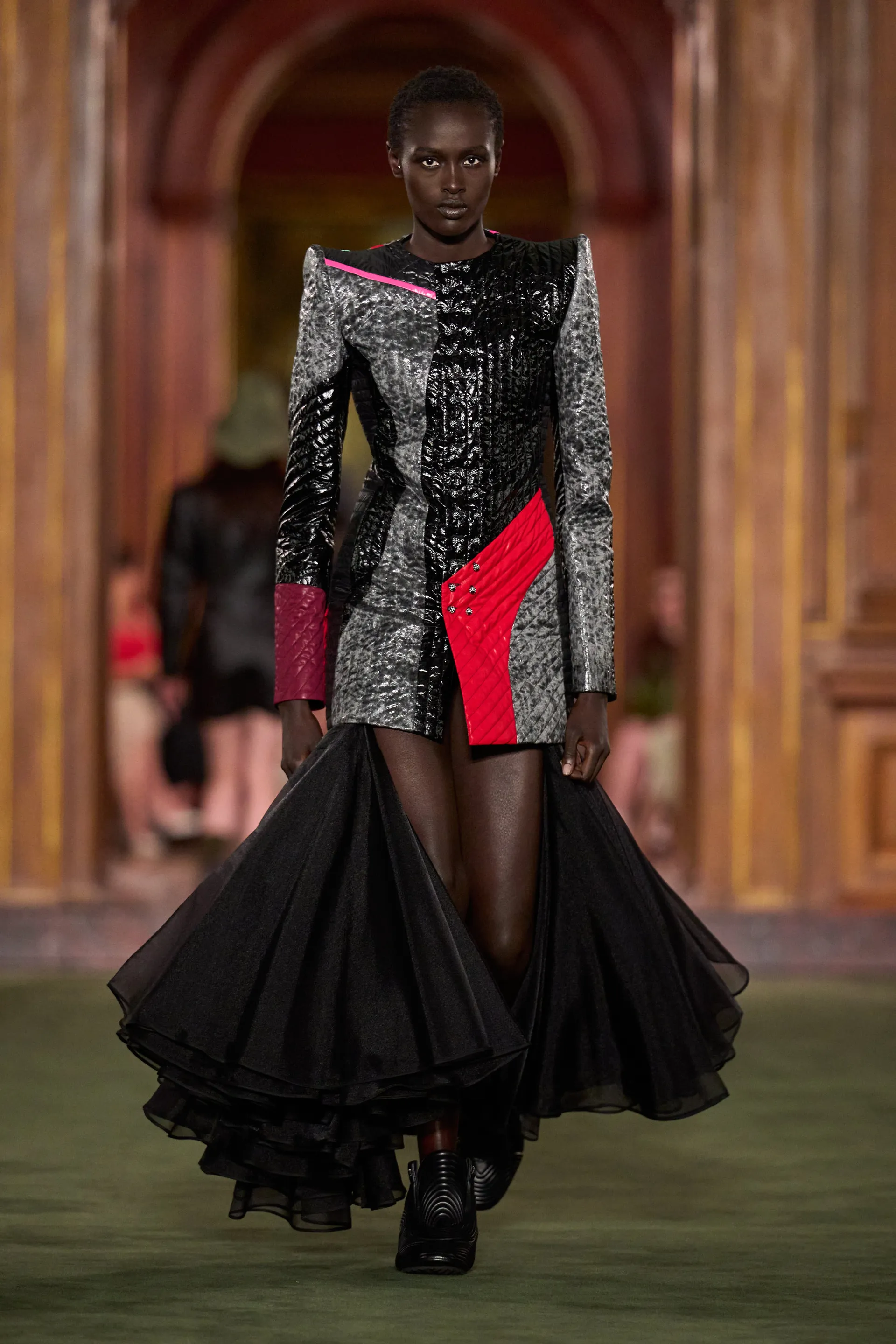
The collection moved between two versions of New York. One was downtown: direct, informal, connected to the street. The other was uptown: structured, historic, tied to interiors, collections and inherited codes of dress. Ghesquière treated this divide as the central tension of the season. In his view, the relationship between uptown and downtown remains unresolved, which made it a productive starting point for the collection.
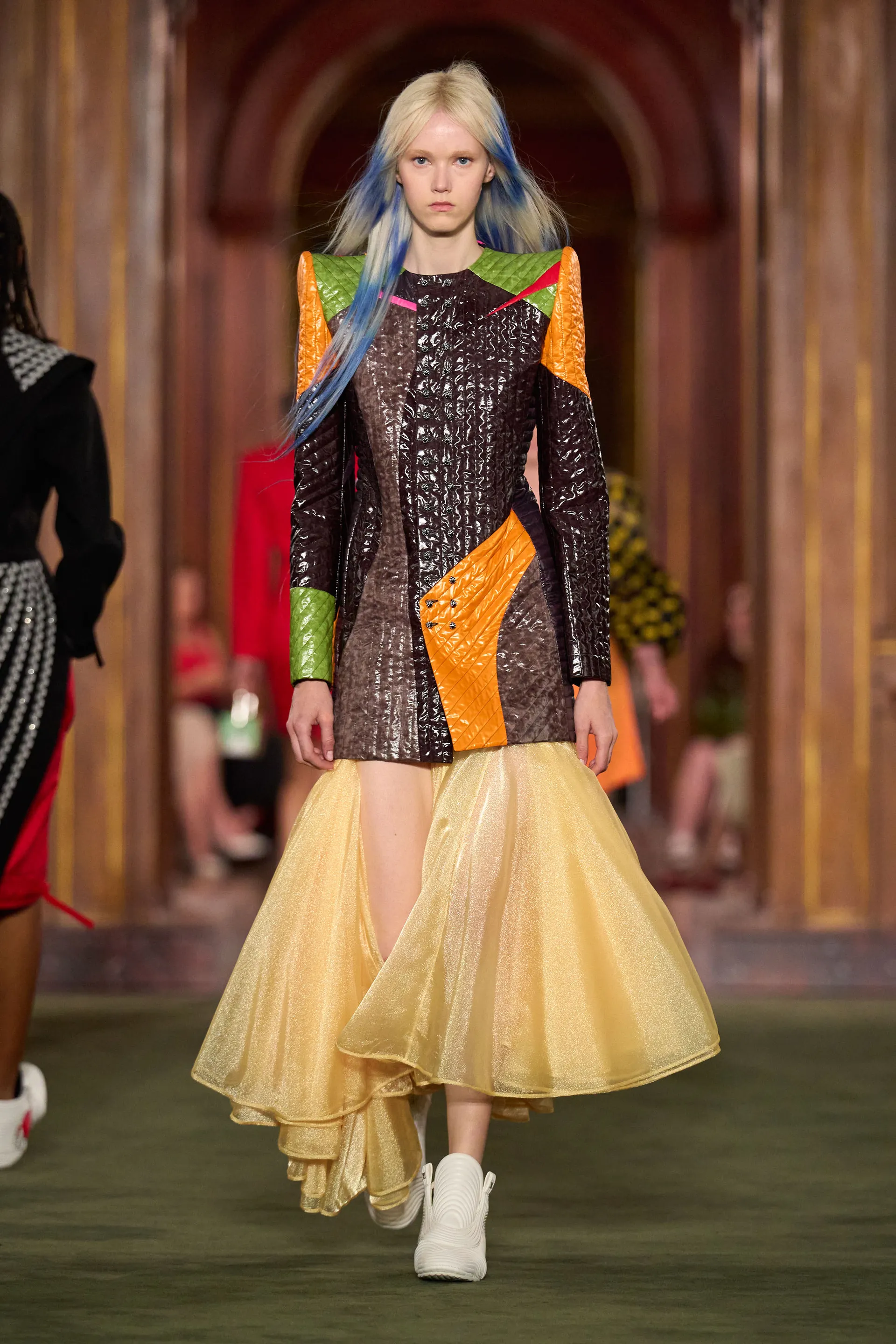 |
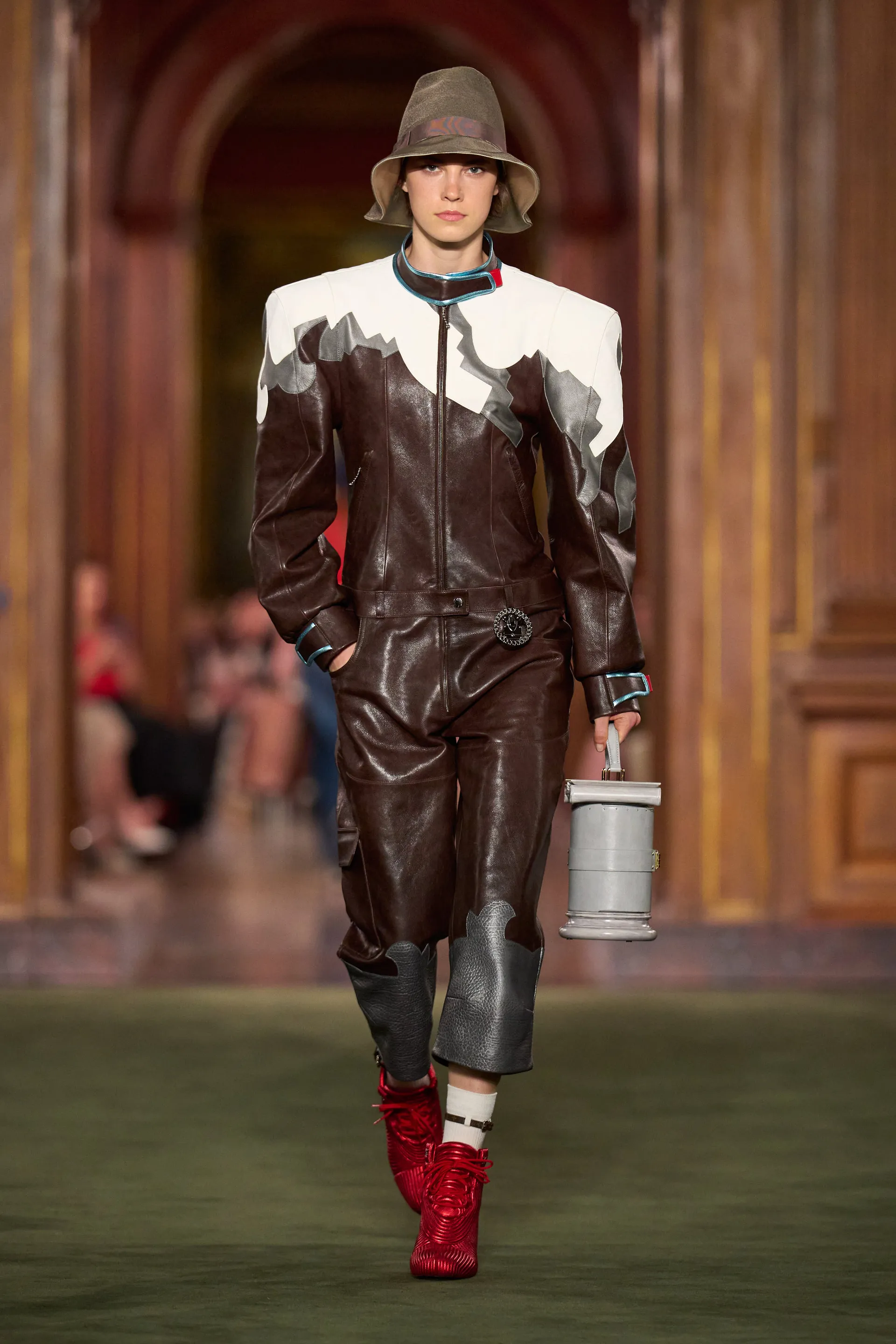 |
Keith Haring was one of its key references. Haring began in street art and became one of the most recognisable figures in contemporary art, moving between public space and the museum world with rare clarity. For Ghesquière, he represented the crossing of New York’s cultural borders. His belief in the accessibility of art gave the collection one of its clearest ideas: the street and the institution do not need to exist separately.
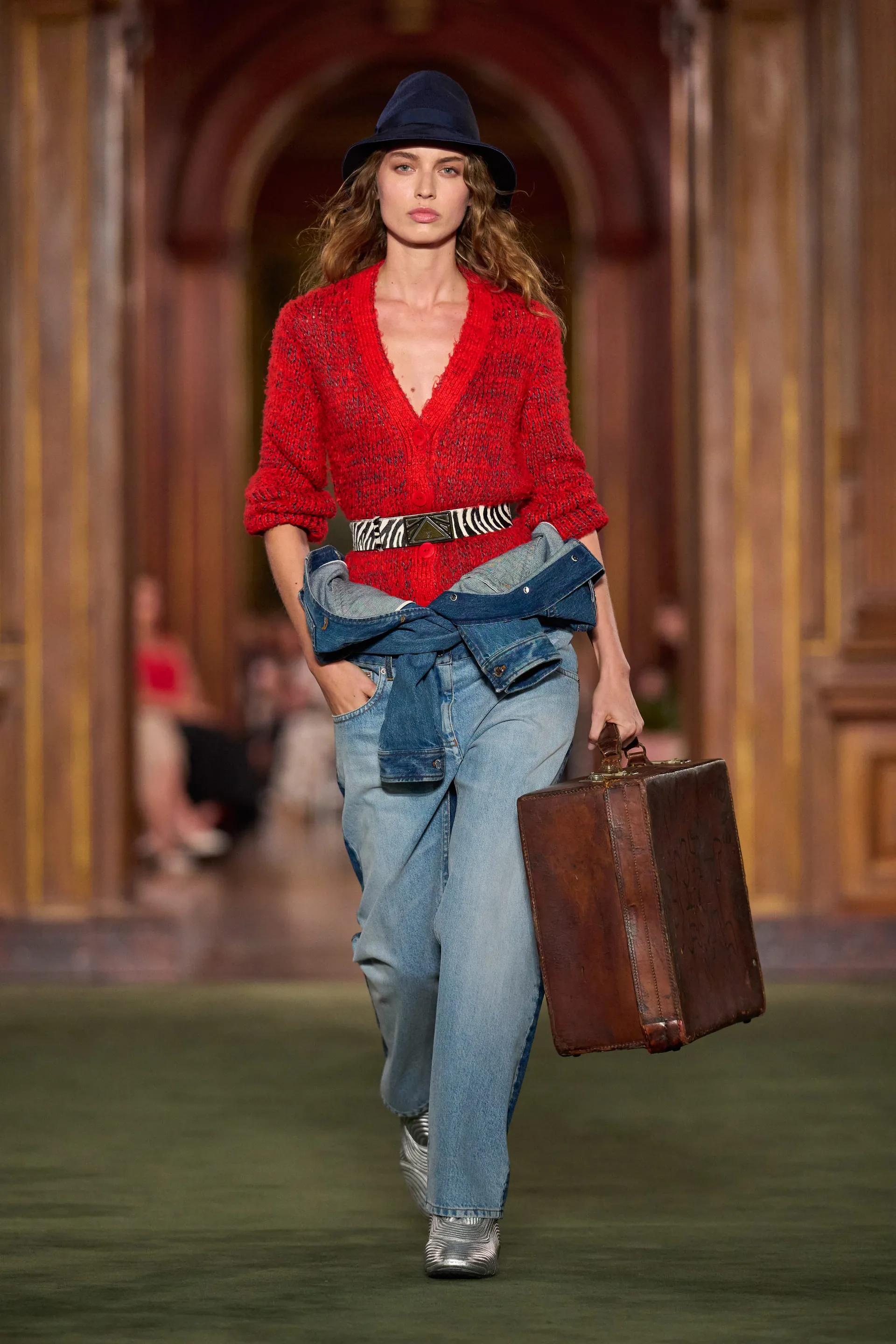
That idea was made literal through a Louis Vuitton suitcase from the 1930s, marked by Haring in black marker in the 1980s and later acquired by the house. It appeared with the opening look: denim overalls tied at the waist and a simple V-neck cardigan. The styling was deliberately unfussy, closer to the city’s everyday wardrobe than to formal occasion dressing.
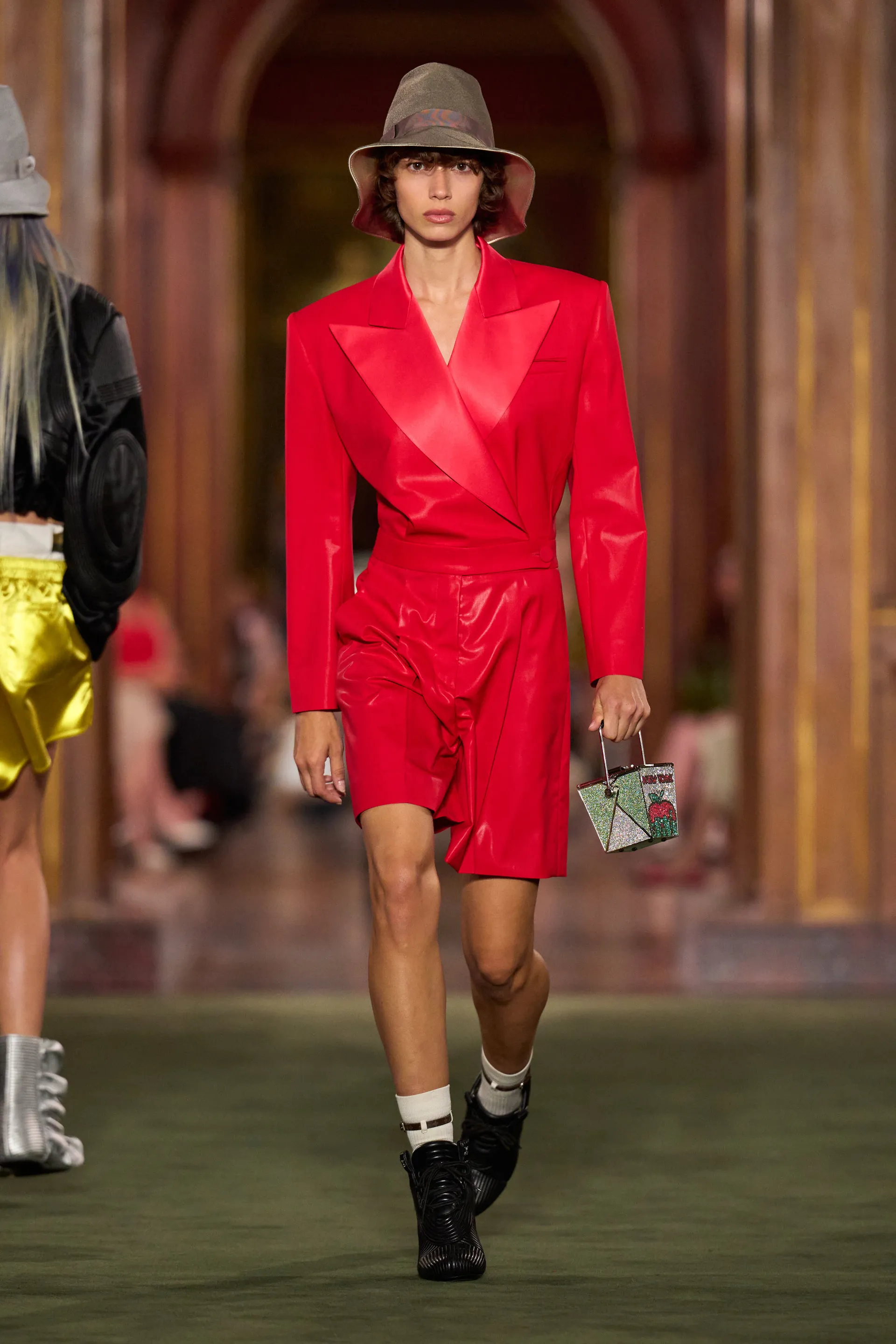
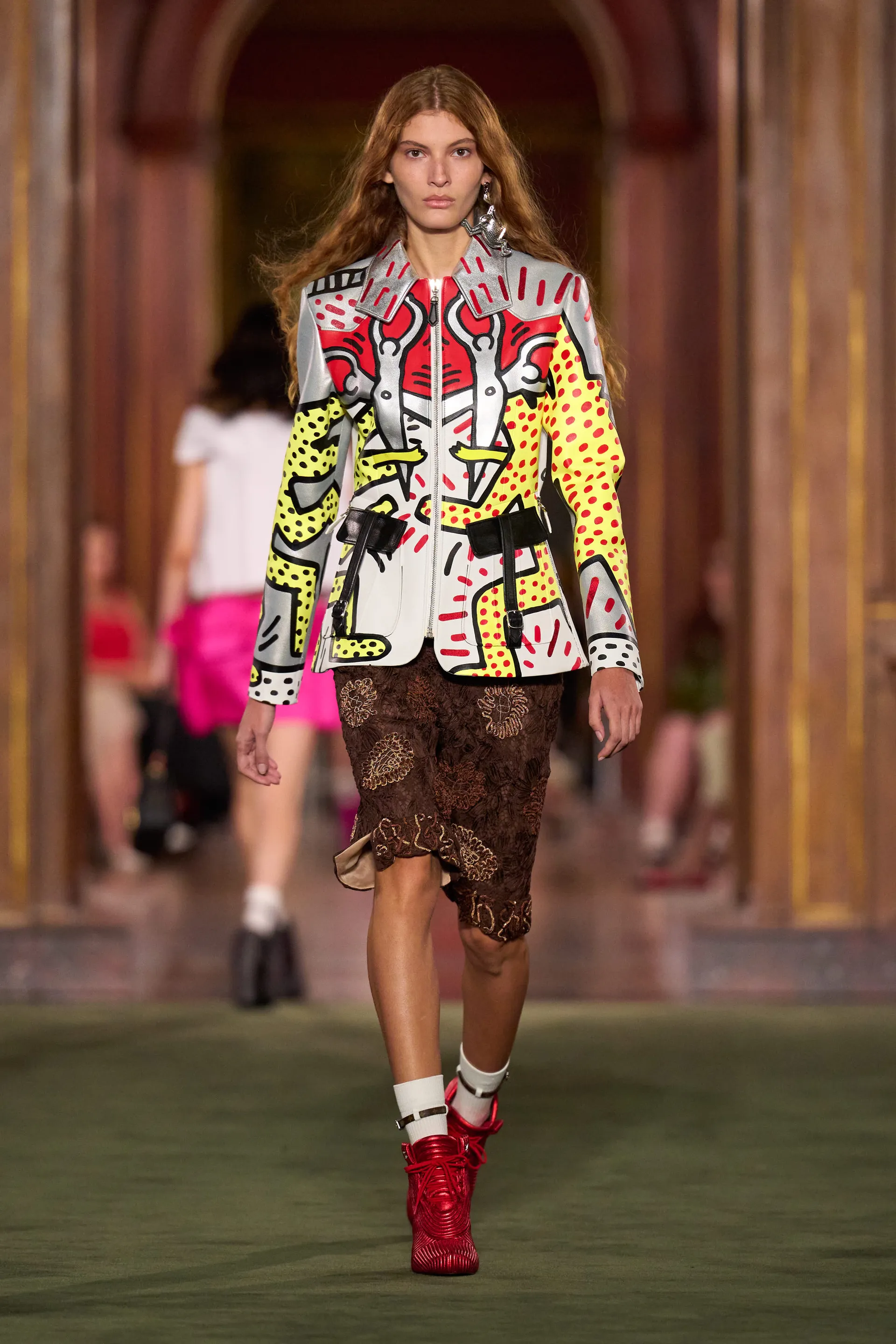
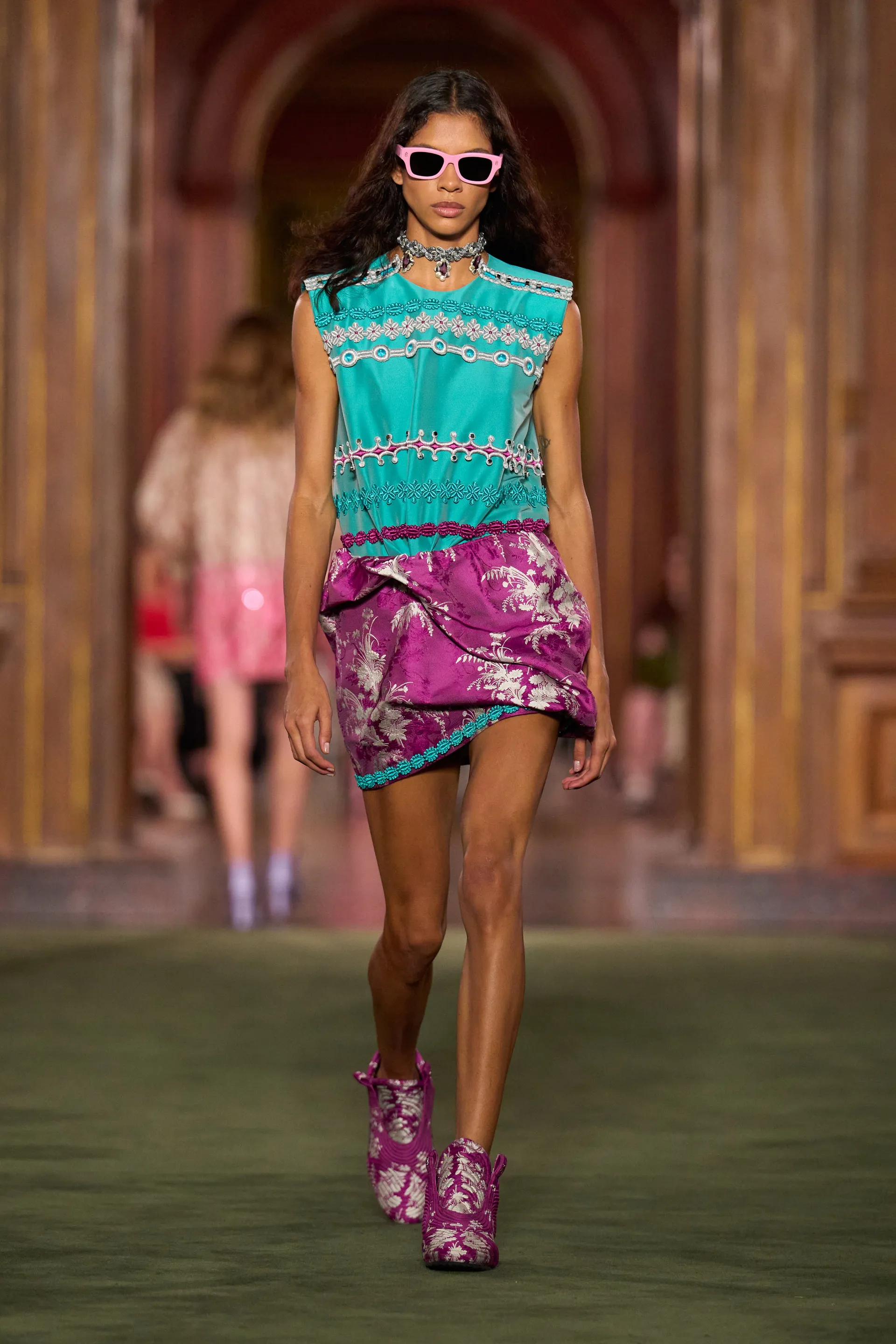
From there, the collection moved through layered references. There were direct nods to Haring, including a hand-printed leather jacket. Bags echoed familiar New York symbols, from yellow taxis to takeout containers. Floral jacquard silk faille recalled the fabric wallpaper of the Frick’s interiors, placing the museum’s decorative language directly into the clothes.
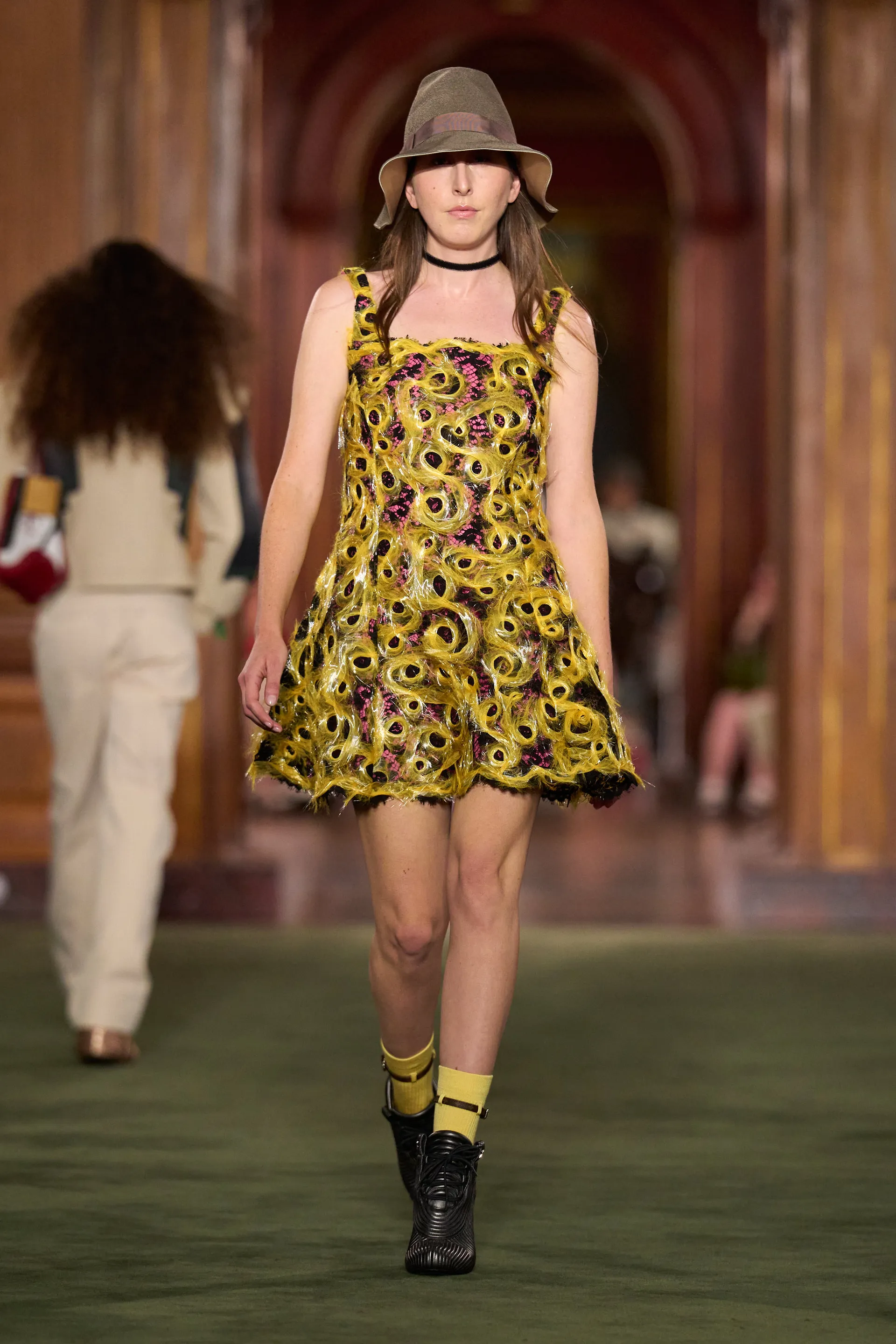
The casting also drew attention. Alana Haim made her runway debut in an embroidered sundress, adding another cultural note to a show already built on the meeting of music, art, fashion and New York history.
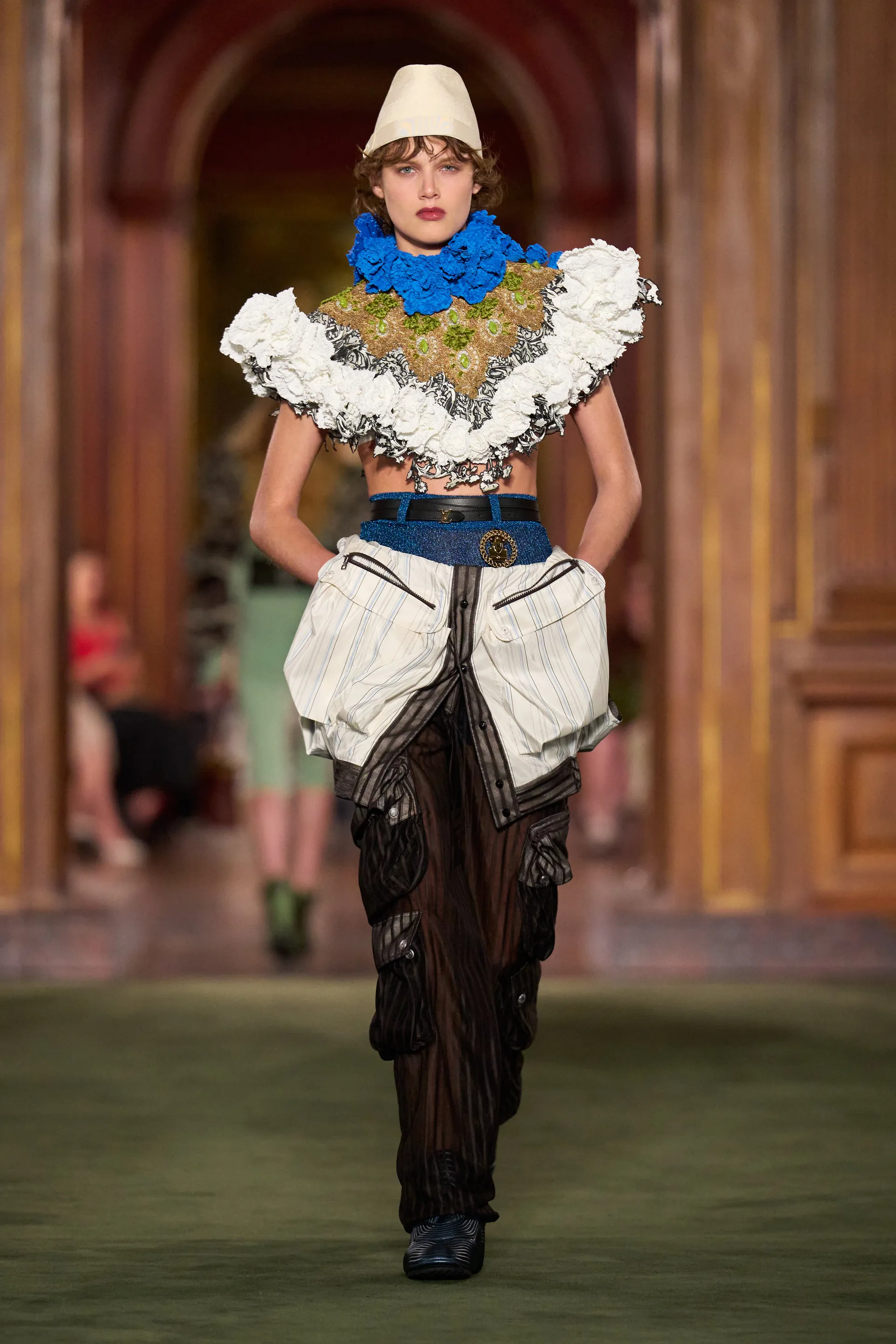
By the finale, the downtown ease of the opening look had shifted into a more decorative silhouette. Lace, floral cut-outs and a voluminous collar introduced a historic register, closer to the Frick’s rooms than to the sidewalk outside. Ghesquière called the figure a “cameo,” a small but precise word for a collection concerned with portraits, memory and surfaces.
 |
 |
Louis Vuitton Cruise 2027 presented New York as a city of layered codes: Ghesquière’s first memory of arrival, Haring’s movement between street and institution, and the Frick’s historic rooms reframed through contemporary dress. It was a collection about passage, not nostalgia; about how a city changes shape depending on who is looking, and from which side of town.
Taking supplements correctly depends on timing, food pairings, and how vitamins and minerals interact. Here is when to take iron, magnesium, zinc, omega-3, vitamin D, and more.
Ferrari has unveiled the Ferrari Luce, its first fully electric car. Designed with LoveFrom, the model marks a new chapter for Maranello and the future of electric luxury.
A camera, perfume, oversized sunglasses, a hat and thermal spray are the summer essentials to keep in your bag during the hot season.

