
How to Take Supplements the Right Way
Taking supplements correctly depends on timing, food pairings, and how vitamins and minerals interact. Here is when to take iron, magnesium, zinc, omega-3, vitamin D, and more.
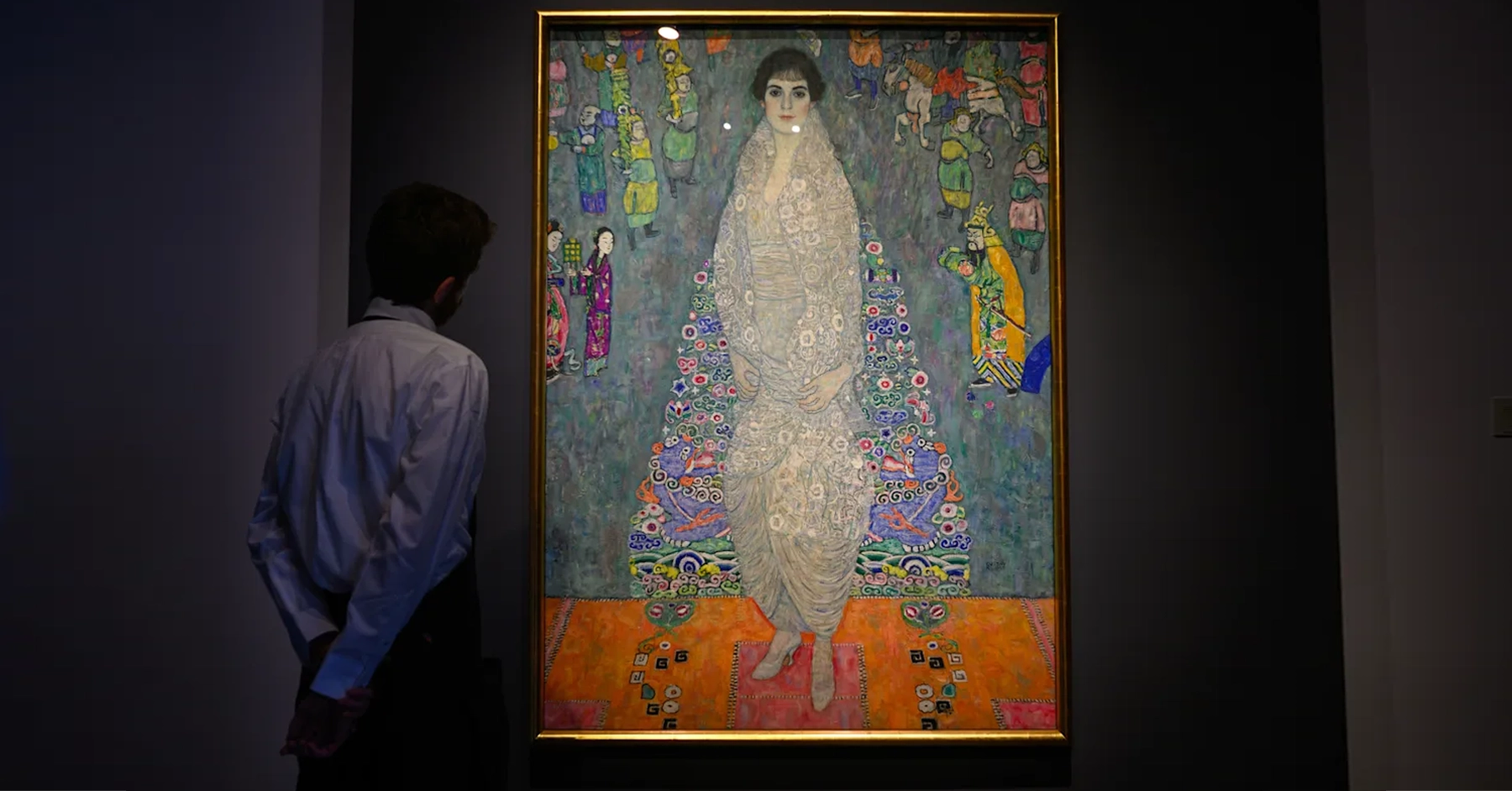
The sale of Gustav Klimt’s Portrait of Elisabeth Lederer at Sotheby’s in New York marked one of the most significant moments in the contemporary art market. The painting reached 236.4 million dollars, placing it among the most expensive artworks ever sold at auction and reaffirming Klimt’s enduring position in the global cultural imagination.
Painted between 1914 and 1916, the portrait represents the highly ornamental phase of Klimt’s late career. Elisabeth Lederer is shown in a richly patterned robe influenced by East Asian textiles, standing against a densely layered backdrop that blurs symbols, figures and decorative motifs. The composition reflects the refined visual language of the Vienna Secession, where aesthetic experimentation and psychological depth coexisted.
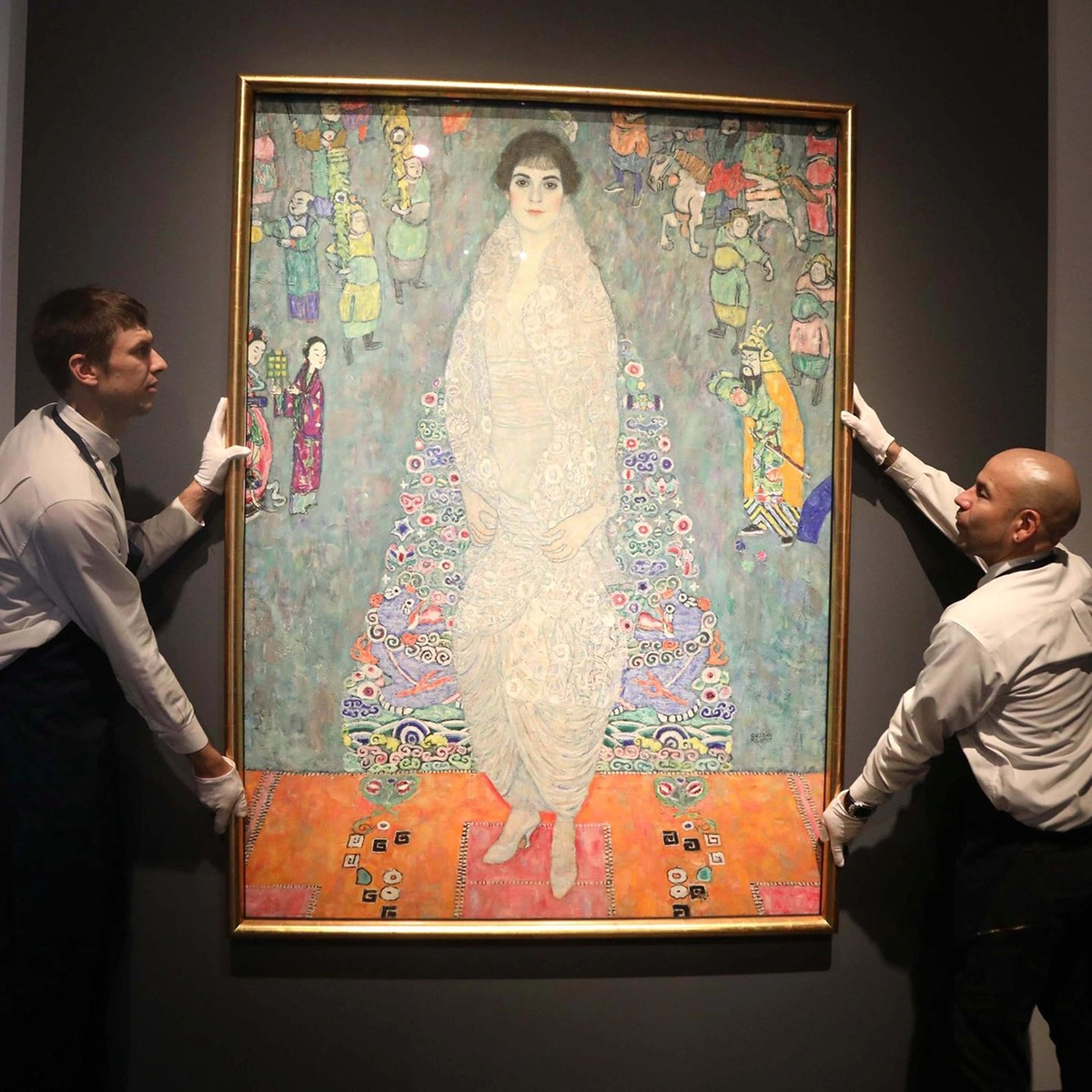
Its provenance adds remarkable weight to its value. Commissioned by the influential Lederer family, the painting survived the turmoil that destroyed much of their art collection during the Second World War. Elisabeth Lederer herself remained in Vienna during the Nazi era under unusual circumstances. Although born into a Jewish family, historical accounts show that she avoided deportation by presenting a claim that Klimt was her biological father, a statement that enabled her to obtain different classification under Nazi racial laws. The claim has no documented proof, yet it illustrates the complex human history attached to the portrait.
The painting later entered the collection of Leonard A. Lauder, the longtime Estée Lauder executive and heir to the cosmetics company. For nearly four decades his art adviser, Emily Braun, observed the central role the portrait played in his life. She described it as the jewel of his collection, noting that Lauder regularly ate lunch at a small round table beside the painting whenever he was at home. It was one of only two full-length Klimt portraits that remained in private hands, a rarity that heightened both its artistic and market value.
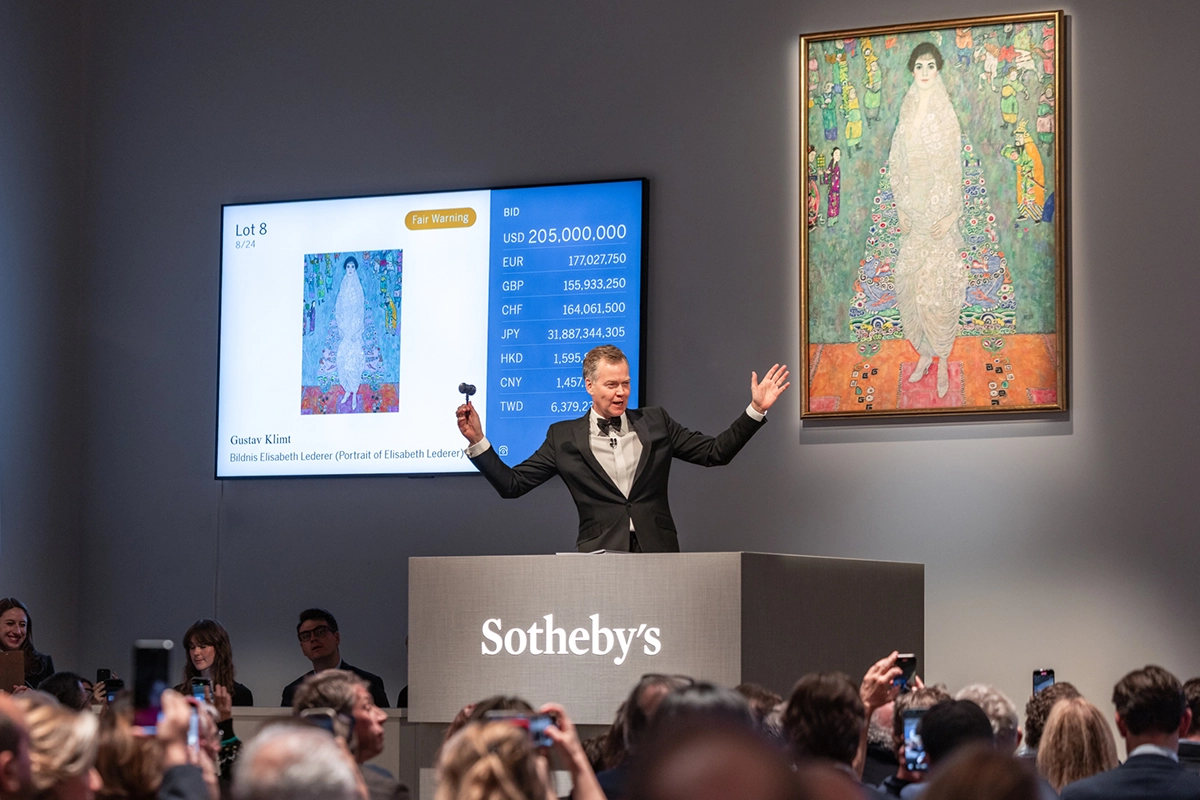
Its arrival at auction generated intense interest. The bidding extended far beyond the initial estimate, underscoring how masterworks such as this function simultaneously as artistic achievements, historical documents and luxury assets. The final price places the portrait at the intersection of art history and contemporary lifestyle culture, where collectors seek works that carry narrative depth as well as aesthetic refinement.
The painting’s journey from early twentieth-century Vienna to a twenty-first-century record sale demonstrates how certain artworks transcend their era. Klimt’s portrait of Elisabeth Lederer endures because it captures a unique moment in modern art, embodies a complex personal story and continues to resonate with those who consider art not only a visual pleasure but a long-term cultural investment.
Taking supplements correctly depends on timing, food pairings, and how vitamins and minerals interact. Here is when to take iron, magnesium, zinc, omega-3, vitamin D, and more.
Ferrari has unveiled the Ferrari Luce, its first fully electric car. Designed with LoveFrom, the model marks a new chapter for Maranello and the future of electric luxury.
A camera, perfume, oversized sunglasses, a hat and thermal spray are the summer essentials to keep in your bag during the hot season.

