Leonardo DiCaprio at 52: Nine Unforgettable Roles That Defined His Career
Celebrating Leonardo DiCaprio's 52nd birthday with a look back at nine unforgettable performances that defined his Hollywood career.
We seem to be living in parallel worlds. In one, a woman can stand before an international audience and be crowned Miss Universe. In another, a woman is fighting for the right to have her own name written on a medical document. Both realities made headlines in the same week of November 2026.
 |
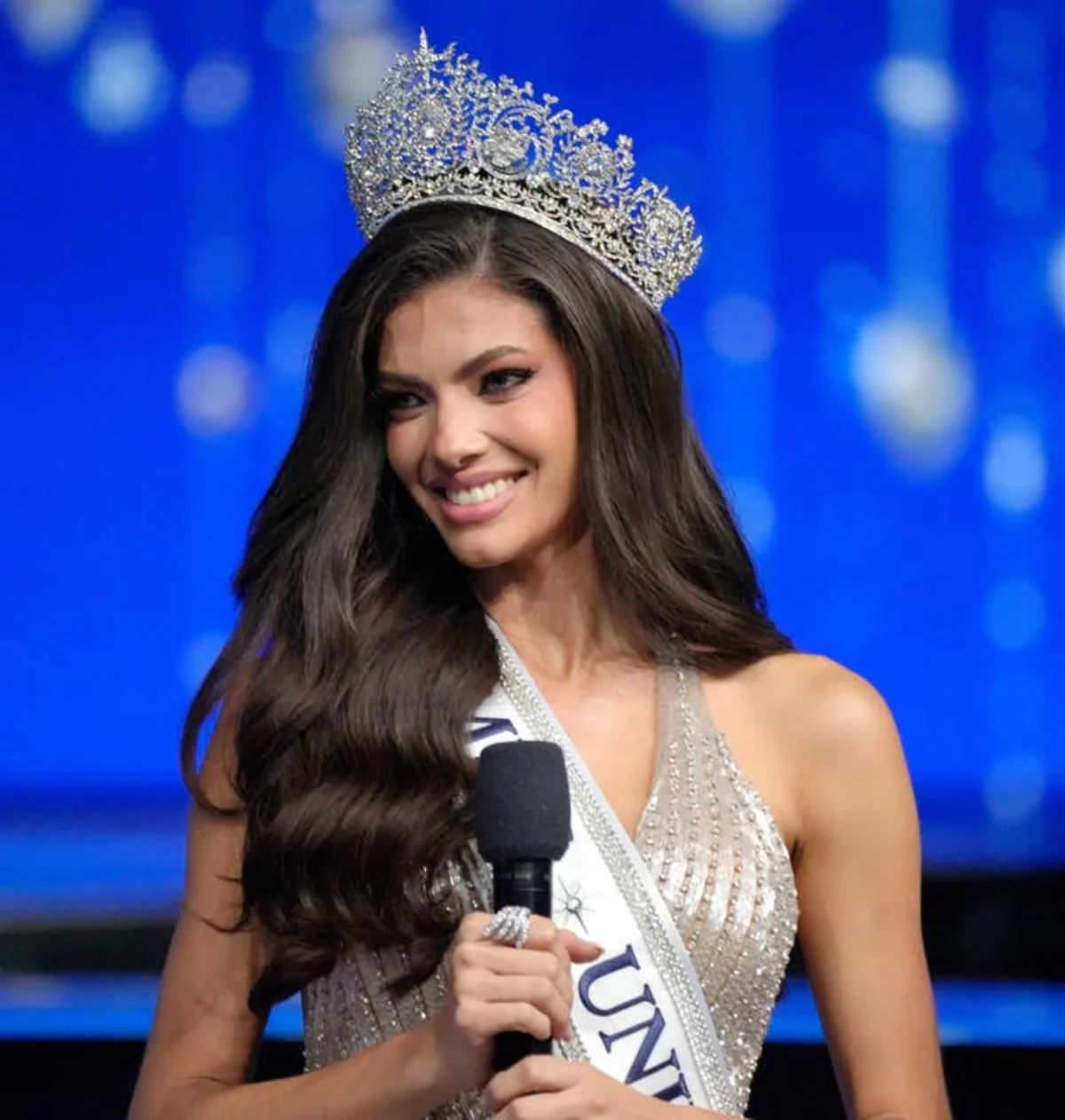 |
On November 24, Jennifer Barreto of Puerto Rico was crowned Miss Universe in San Juan. Meanwhile, reports from Afghanistan revealed that Taliban authorities in the northern province of Balkh had reportedly instructed officials and medical workers to stop recording women's given names on official documents. Women were instead to be identified as “Bibi”.
The juxtaposition invites a difficult conversation about the place women occupy in contemporary society, and the ways in which we continue to define female achievement.
Beauty pageants have become increasingly associated with the language of empowerment, inclusivity and female ambition. Their organizers celebrate women's intelligence, professional accomplishments and social initiatives. Yet the central premise of these competitions remains largely unchanged: women appear before a panel of judges, are evaluated against one another, and one is declared the winner.
There is nothing inherently wrong with a woman choosing to participate in a beauty pageant. The freedom to make that choice is itself significant. What deserves scrutiny is the cultural importance we continue to attach to competitions that rank women, particularly in a world where millions are still denied the opportunity to determine the course of their own lives.
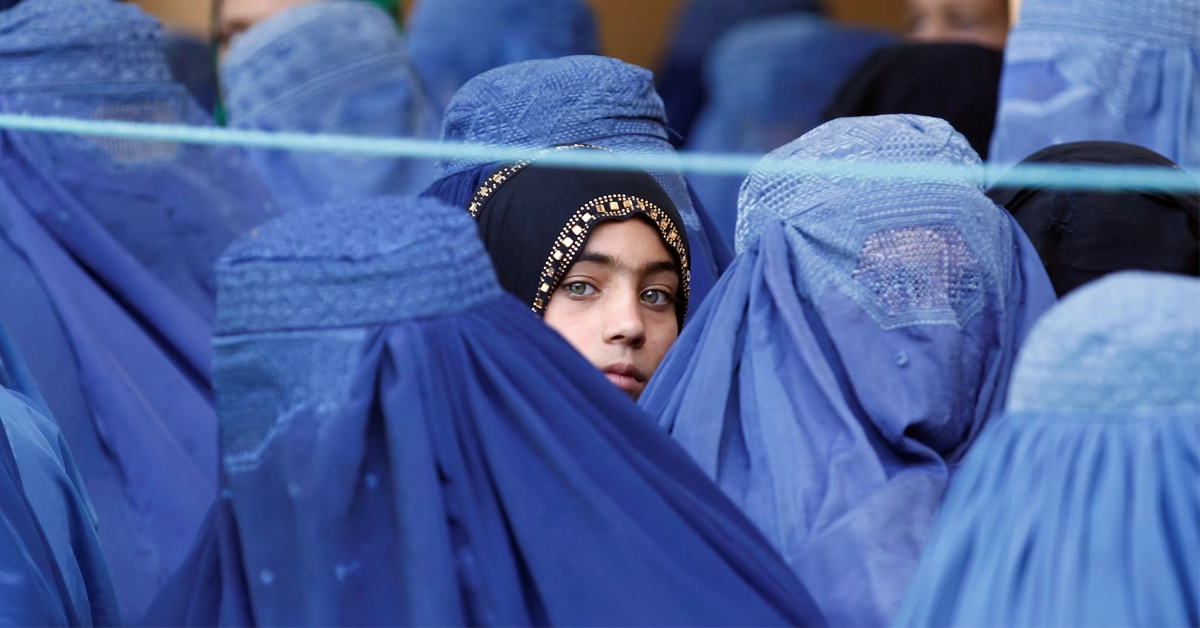
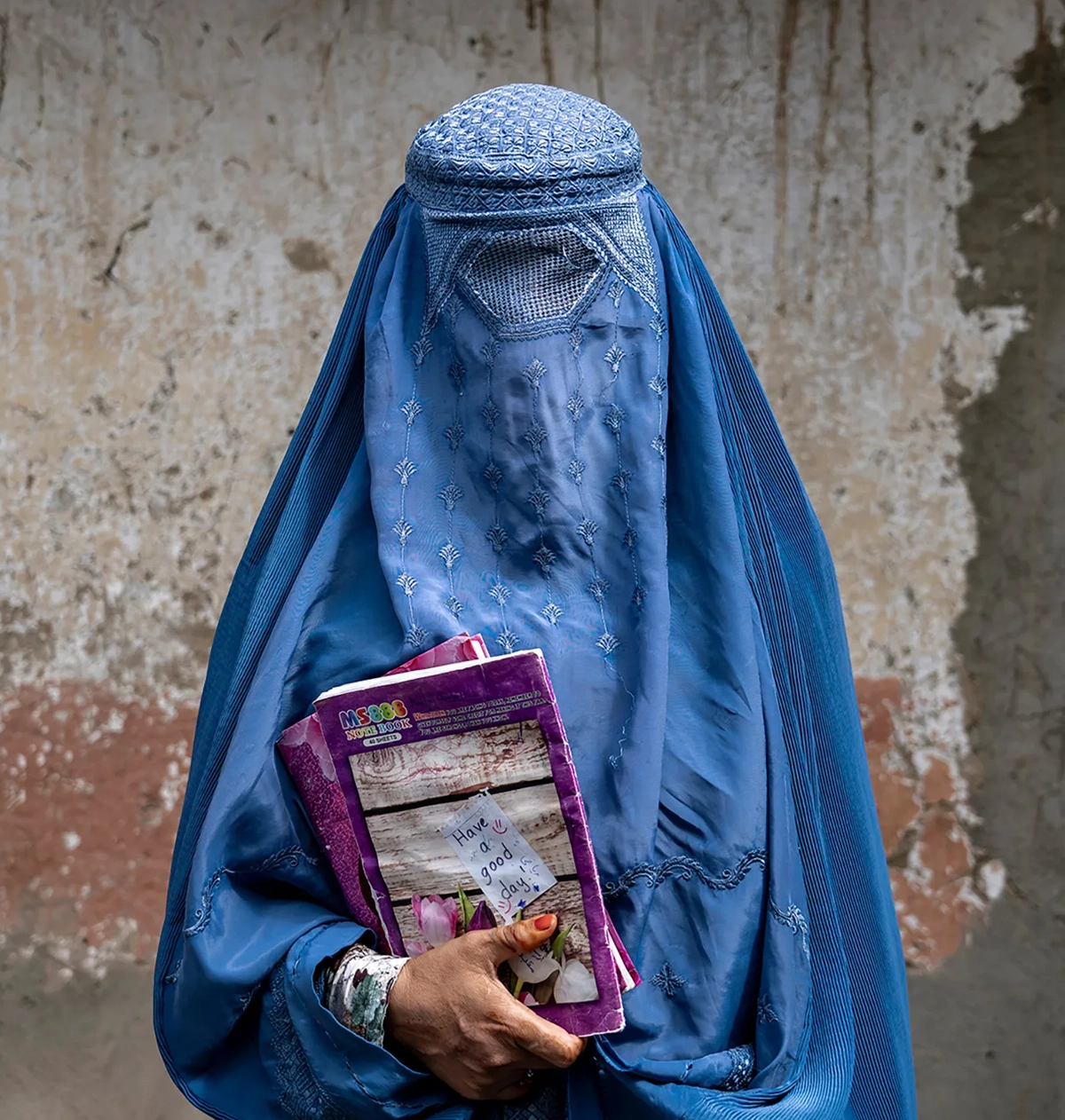
Since the Taliban returned to power on August 15, 2021, Afghanistan has undergone a systematic dismantling of women's rights. According to UN Women, more than 100 decrees affecting women and girls have been issued over the past five years, restricting their access to education, employment, healthcare, justice and public life.
Women have been barred from parks, gyms and public baths. Beauty salons were ordered to close in July 2023, depriving thousands of women of their livelihoods. Restrictions on movement have made even ordinary activities, such as visiting a doctor or going shopping, increasingly difficult.
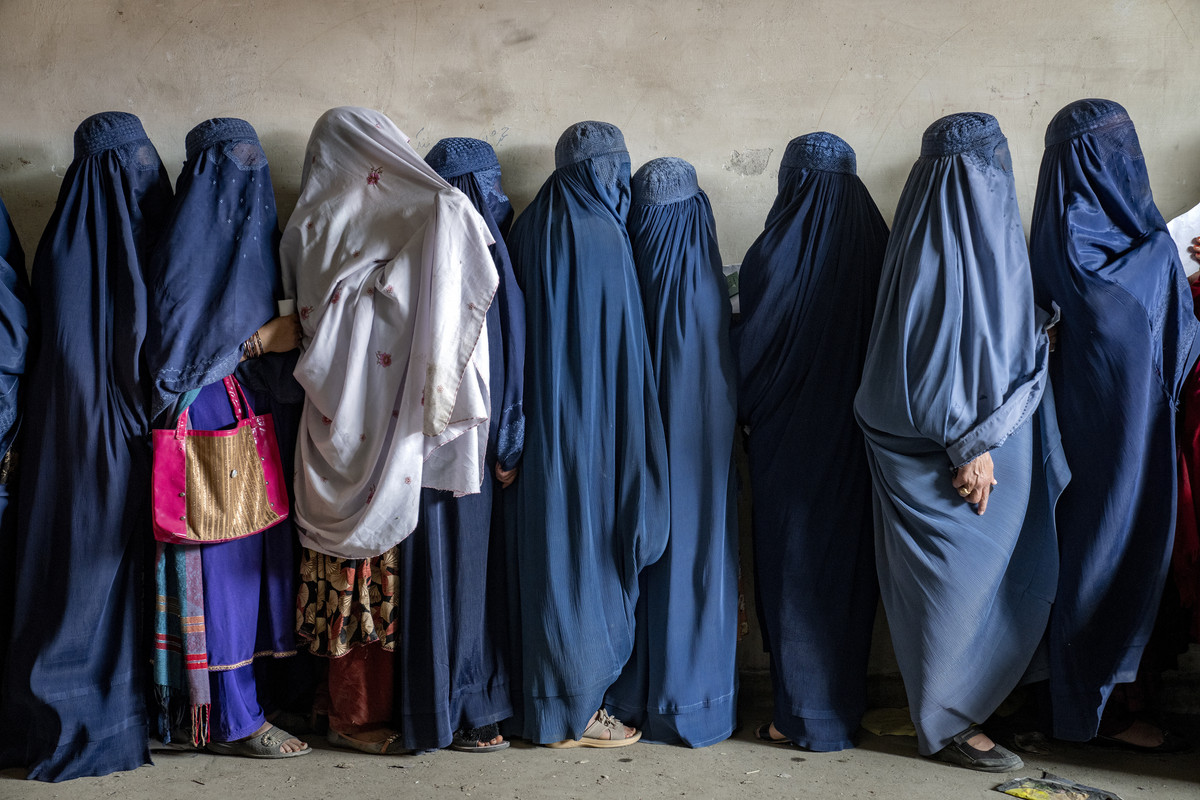
Afghanistan remains the only country in the world where girls and women are systematically denied access to secondary and higher education. According to UNICEF, more than 2.6 million girls have been deprived of a secondary education since 2021.
The consequences extend far beyond the classroom. Girls excluded from education face an increased risk of early marriage, exploitation and abuse. Legal protections for survivors of domestic and sexual violence have been severely weakened, while recent decrees have further restricted women's ability to leave marriages and seek justice.
According to research published by UN Women in August 2026, half of Afghan women surveyed leave their homes no more than twice a month. Nearly three-quarters report feeling unsafe outside their homes without a male guardian.
Against this background, the reported removal of women's names from official documents in Balkh acquires a particular significance. A name establishes individual identity. It connects a person to her education, professional accomplishments, medical history and legal rights. Removing it from official records has consequences that are both practical and deeply personal.
For all the contemporary discussion about female empowerment, it is worth reconsidering what we celebrate as its ultimate expression. A woman's achievements should be measured neither by her appearance nor by her ability to win the approval of an audience.
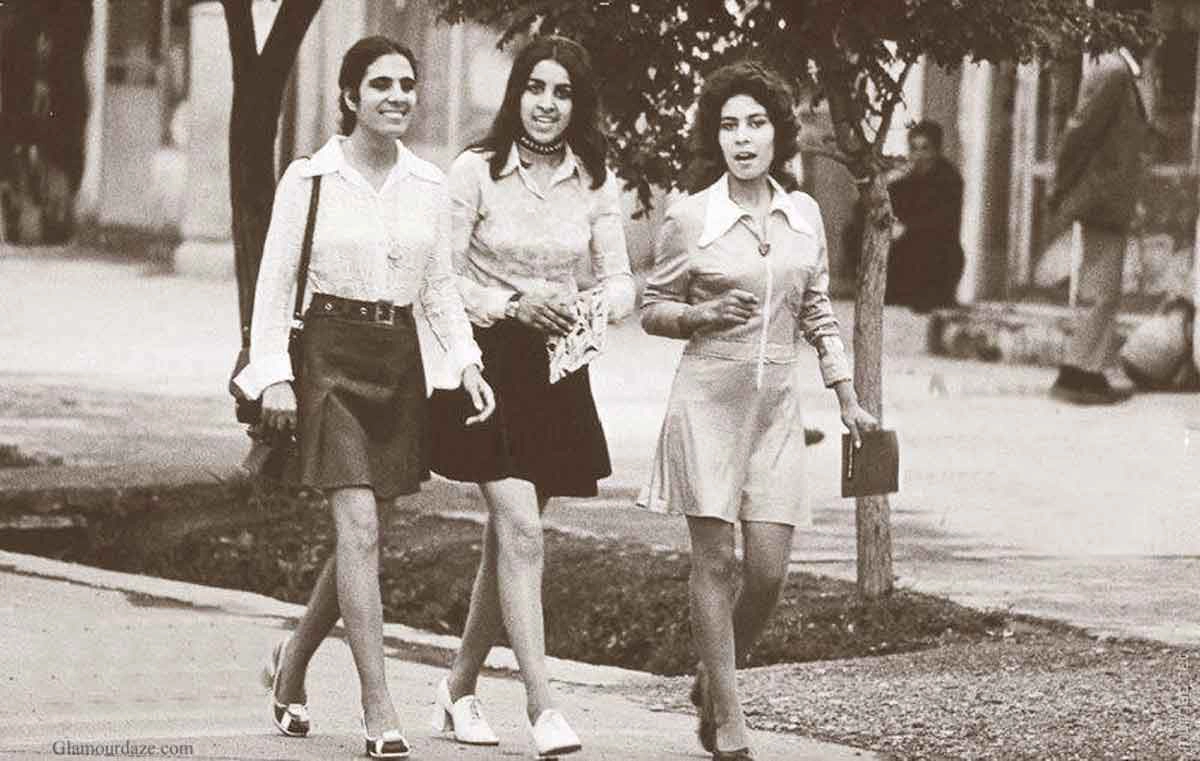
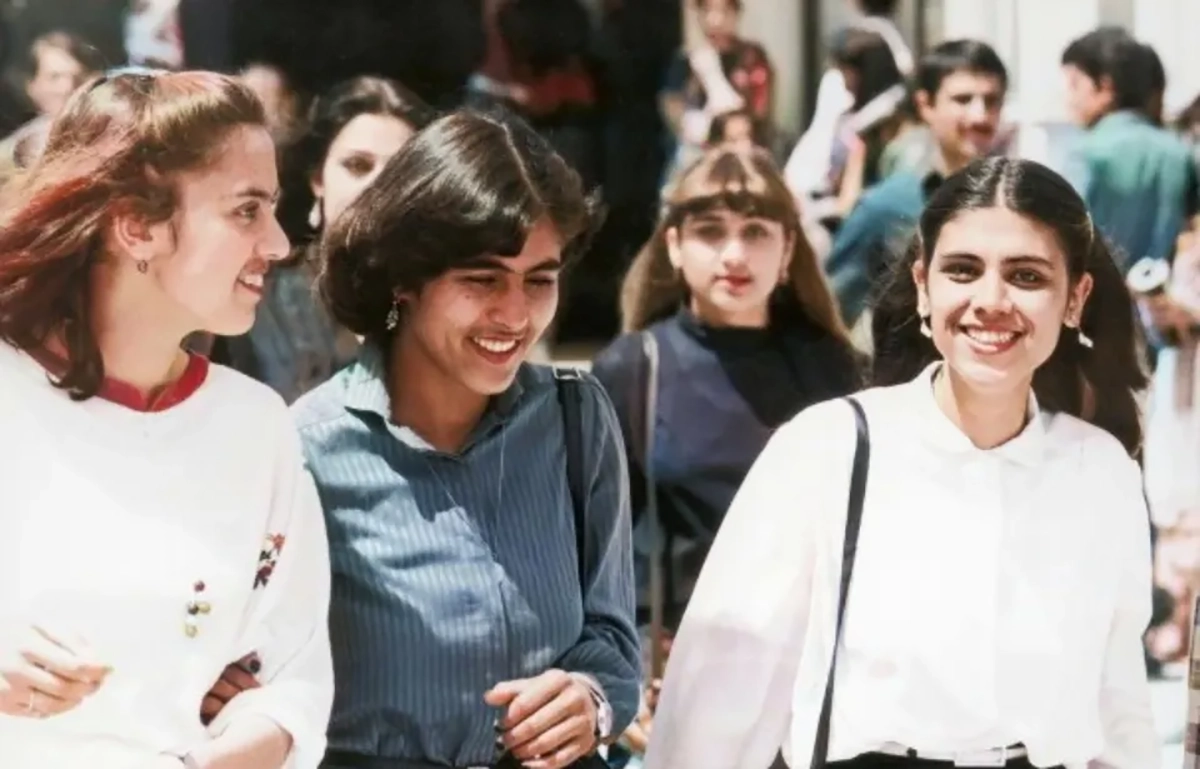
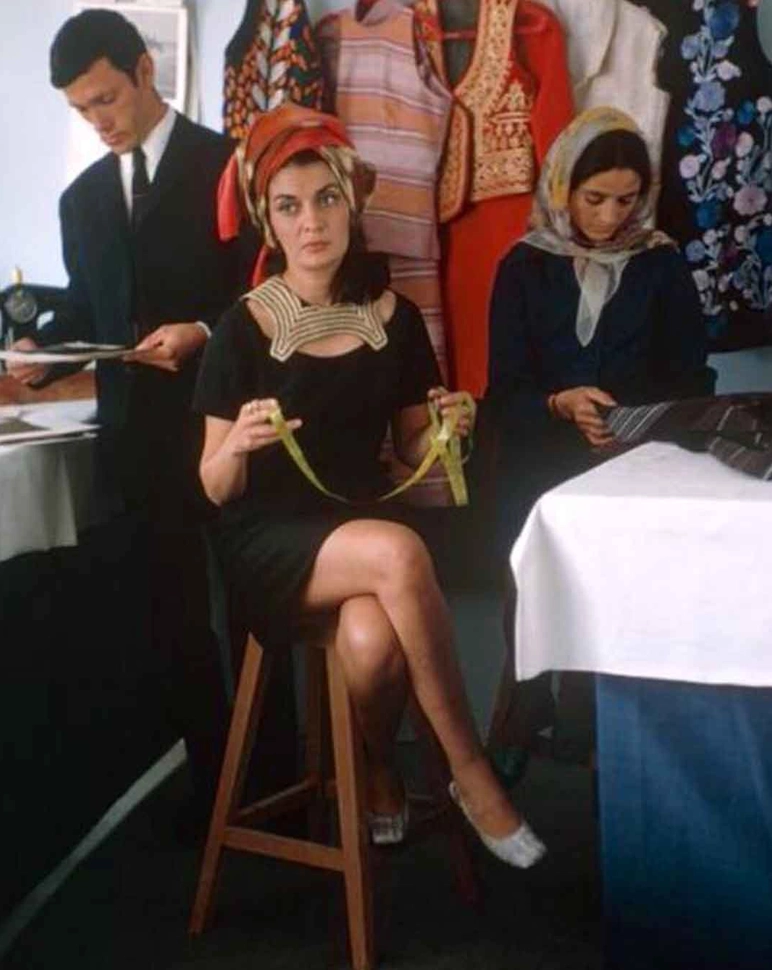
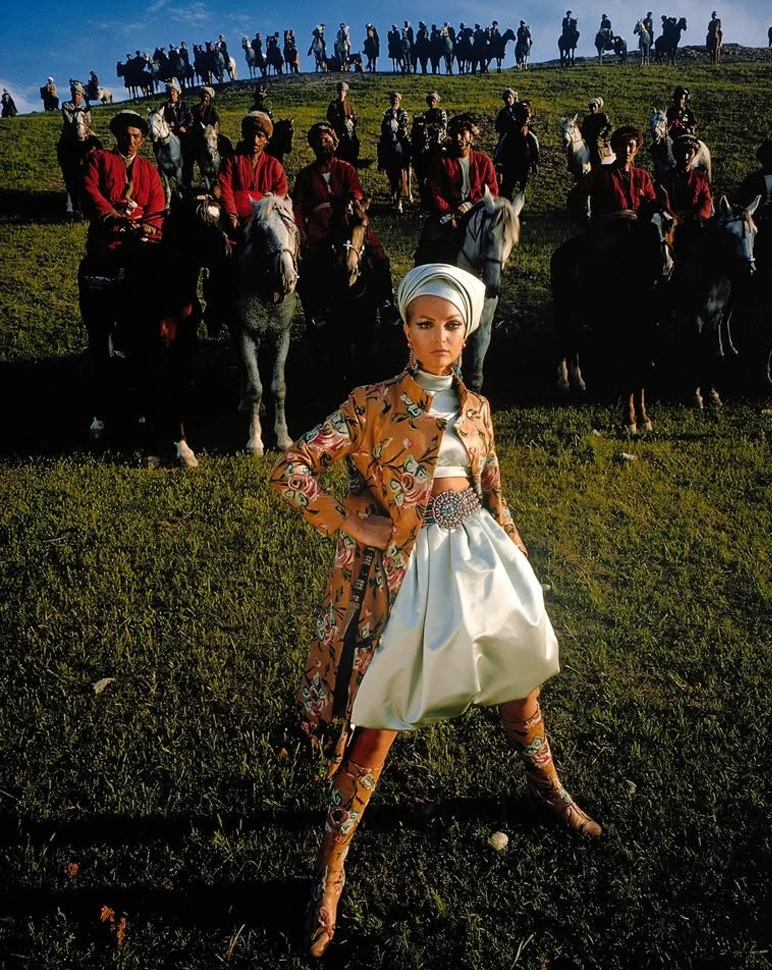
Looking at photographs of Afghan women in the 1960s and 1970s, it is striking how different life was for many women, particularly in Kabul. International fashion magazines such as Vogue and renowned photographers traveled to Afghanistan to capture its culture, fashion and landscapes. Kabul was once referred to as the Paris of Asia.
|
|
These photographs are a reminder of how easily freedoms that once seemed established can be taken away. The fact that a woman living in Europe or elsewhere today can pursue an education, build a career, dress as she wishes and make independent decisions about her life does not guarantee that future generations will enjoy the same rights.
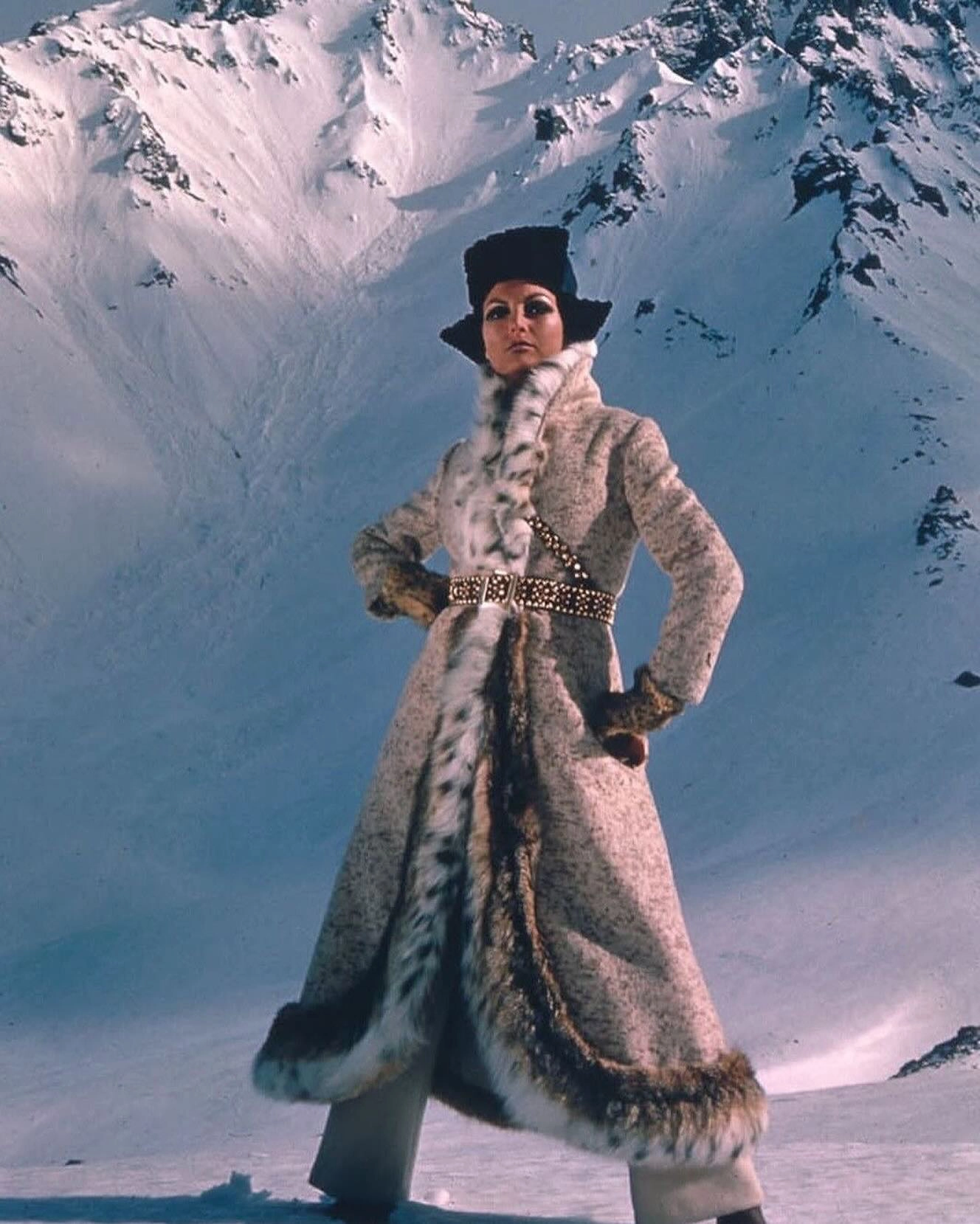
This is precisely why feminism remains relevant. Women's rights are neither irreversible nor guaranteed. They must be defended continuously, even in societies where equality appears to have been achieved.
Celebrating Leonardo DiCaprio's 52nd birthday with a look back at nine unforgettable performances that defined his Hollywood career.
Hillary Clinton returns to podcasting with High Stakes, a new show with Kara Swisher ahead of the 2026 U.S. midterm elections.
Michelle Obama announces $1 million in funding through the Girls Opportunity Alliance to support girls’ education and empowerment across 15 countries.